
Signature Procedure
ActiveCuff™ Rotator Cuff Repair
Developed by Dr. Paul Kiritsis, the ActiveCuff™ program is designed to improve both the strength of rotator cuff repairs and the recovery that follows. Qualifying patients may discontinue the sling as early as 2 weeks after surgery, compared with the traditional 6-week immobilization period.
Living With a Torn Rotator Cuff?
A torn rotator cuff can turn everyday movements, like reaching for a seatbelt, lifting a grocery bag, or rolling onto your side at night, into a daily reminder that something isn’t right. If you’re experiencing any of the following, you may be a candidate for ActiveCuff™ Rotator Cuff Repair:
Persistent Shoulder Pain
A deep ache that lingers through the day and often flares when you reach overhead or away from your body.
Night Pain
Trouble sleeping on the affected side, or pain that wakes you up.
Weakness When Lifting
Your arm tires or gives out when you raise it, carry something, or hold it away from your body.
Catching With Movement
A catching sensation as you move your arm through certain motions.
A Confirmed Tear
An exam or MRI has shown a full-thickness rotator cuff tear, which generally can’t heal on its own.
Unsuccessful Non-Surgical Treatments
Rest, medication, injections, or physical therapy haven’t brought lasting relief.
A Life That Doesn’t Pause for Six Weeks
Work, caregiving, or sport makes a long stretch in a sling hard to manage.
Sound familiar?
If you answered “yes” to any of these, it may be time to talk with Dr. Kiritsis about ActiveCuff™.
Whether you follow the progressive ActiveCuff™ protocol is confirmed by Dr. Kiritsis during surgery.
What Is Rotator Cuff Repair Surgery?
The rotator cuff is a group of four tendons that hold the top of your arm bone in the shoulder socket and help you lift and rotate your arm. When one of those tendons tears away from the bone, it generally can’t reattach by itself. Rotator cuff repair secures the torn tendon back to its footprint on the bone so it can heal in place. Dr. Kiritsis performs these repairs arthroscopically, working through a few small incisions with a camera and specialized instruments.
Developed by Dr. Kiritsis, ActiveCuff™ is a rotator cuff program with two parts: a repair designed to hold up to early motion, and a rehabilitation protocol that puts that strength to work sooner.
The ActiveCuff™ Program
ActiveCuff™: Strong Repair. Active Recovery.
ActiveCuff™ is Dr. Kiritsis’s rotator cuff program. It has two parts: a repair designed to hold up to early motion, and a rehabilitation protocol that puts that strength to work sooner.
1
Strong Repair
A repair built seam by seam, designed to hold up to early motion
A repair construct designed to distribute load evenly across all tendon fibers. Inspired by seatbelt technology to provide broad, secure load distribution.
2
Active Recovery
Rehab that starts sooner, with guardrails
A thoughtfully designed rehabilitation protocol which focuses on early active range of motion. Qualifying patients may discontinue the sling as early as 2 weeks after surgery, compared with the traditional 6-week immobilization period.
1
Part 1 of the ActiveCuff™ Program
Strong Repair
A repair built seam by seam, designed to hold up to early motion
A repair construct designed to distribute load evenly across all tendon fibers. Inspired by seatbelt technology to provide broad, secure load distribution.
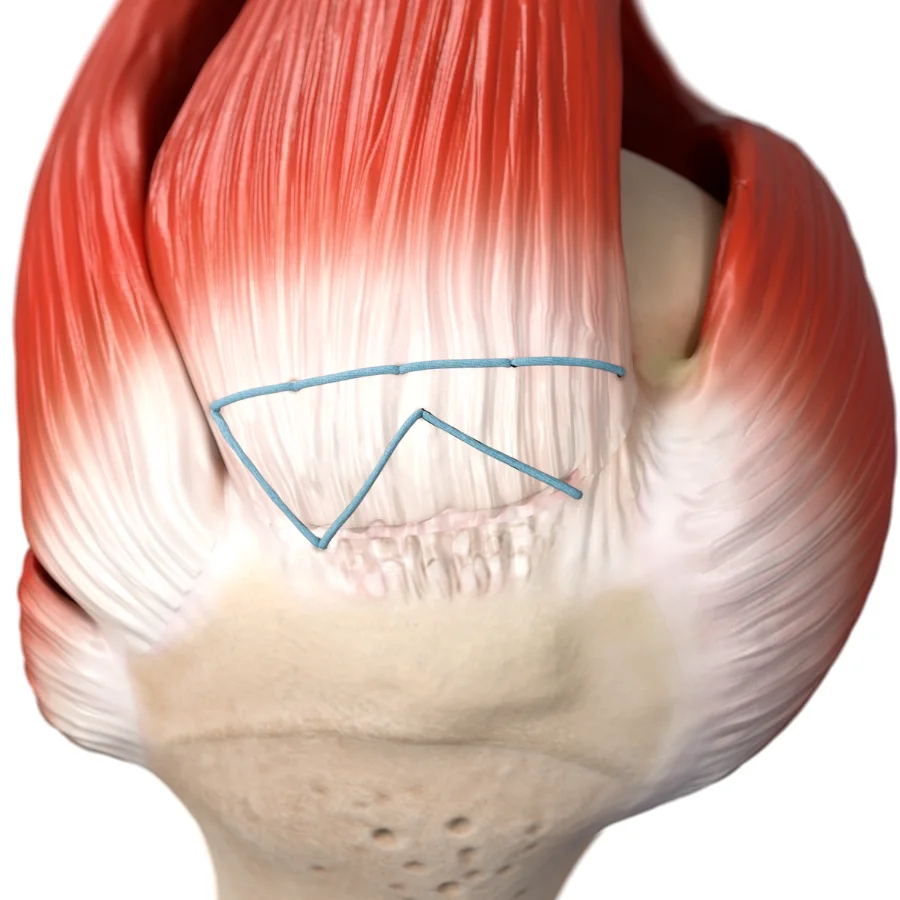
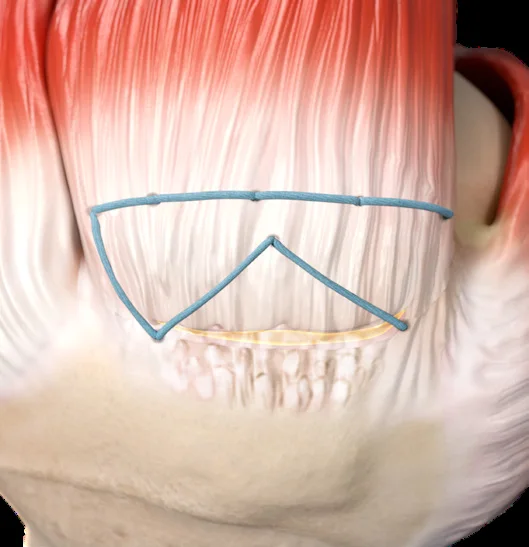
ActiveCuff™ uses the Smith & Nephew TENDON SEAM™ system. It doesn’t rely on a handful of anchors and tied knots. Instead, Dr. Kiritsis secures the tendon with a series of small anchors linked by one continuous suture. Each stitch is tensioned and locked individually, first along an inner (medial) seam and then across an outer (lateral) row, so the tendon is compressed against the bone across its entire footprint.
ActiveCuff™ repair
One continuous suture, multiple small anchors, and the tendon compressed to bone across the whole footprint.
Traditional repair
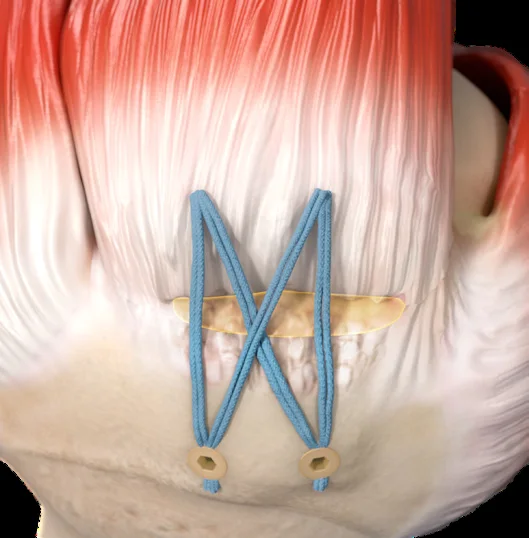
A handful of anchors and tied knots, holding the tendon at a small number of fixation points.
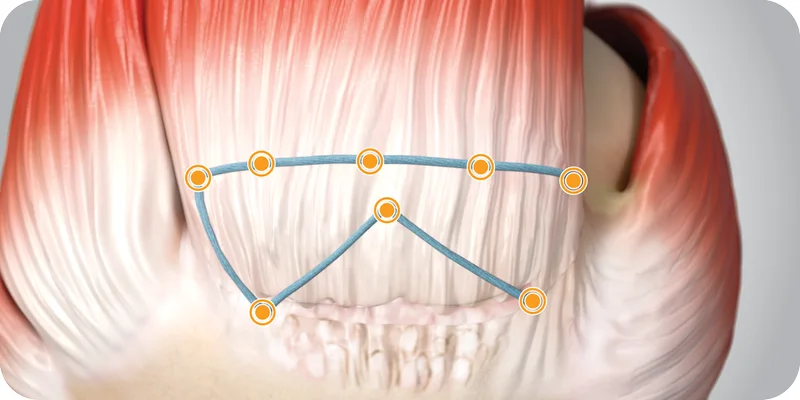
A continuous stitch
Multiple interconnected fixation points create a strong, stable attachment between tendon and bone.
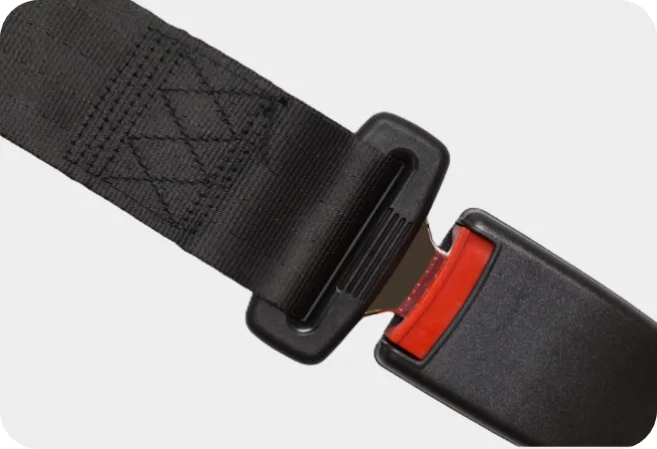
Inspired by seatbelt technology
A seatbelt spreads force across many stitches instead of a single point. The ActiveCuff™ repair works the same way, distributing load more evenly across the tendon for a broad, secure hold.
See How the ActiveCuff™ Repair Works
In this video, Dr. Kiritsis walks through an arthroscopic ActiveCuff™ repair. Here’s what you’re seeing:
- Positioning the device. Working through a small portal on the side of the shoulder, Dr. Kiritsis grasps the torn rotator cuff and positions the device just above the tendon.
- Placing the first anchor. A punch passes through the tendon, and its position is confirmed beneath the tendon. The device is then impacted into the bone, and a small anchor is deployed.
- Building the medial seam. One continuous suture runs through the entire repair. After each anchor is placed, the stitch is tensioned and locked. The process then repeats a little farther back along the tendon.
- Adding the lateral row. Once the medial seam is secure, the repair moves to the outer edge of the footprint, with each anchor deployed, tensioned, and locked. A final anchor is placed at the front outer corner of the repair before the suture is cut.
- Checking the result. Viewed from the back and the side of the shoulder, the tendon sits compressed against the bone across the full footprint.
The result is a repair designed to be strong, stable, and sealed along the entire footprint. That foundation is what allows the ActiveCuff™ rehabilitation protocol to move faster.
2
Part 2 of the ActiveCuff™ Program
Active Recovery
Rehab that starts sooner, with guardrails
A thoughtfully designed rehabilitation protocol which focuses on early active range of motion. Qualifying patients may discontinue the sling as early as 2 weeks after surgery, compared with the traditional 6-week immobilization period.
Gentle, progressive range-of-motion work begins at home right away. Active motion, meaning lifting the arm with your own muscles, begins between weeks two and six rather than waiting until week six. The goal is to limit the stiffness and deconditioning that can come with long periods of immobilization while the repair heals.
Out of the sling in about two weeks, not six
Traditional repair
Typical timeline
Sling, 6 weeks
Active motion
ActiveCuff™
Qualifying patients
Sling PRN
Active motion
Early strengthening
Surgery
Week 2
Week 6
Week 12
Sling (traditional)
Sling as needed (ActiveCuff™)
Active motion
Early strengthening
Shown on a 12-week scale. After a traditional repair, formal strengthening typically begins around week 12. Timelines are general; your therapist’s plan is specific to your repair.
Weeks 0 to 2
Protect and start moving
Sling for comfort only, as needed. Gentle passive and assisted motion, posture work, and shoulder blade exercises begin at home.
Weeks 2 to 6
Out of the sling
Weaned off the sling completely. Active motion begins, lying down first, then progressing to standing. Arm-to-the-side lifting waits.
Weeks 6 to 24
Strength, then sport
Isometrics and bands, then weights and endurance, then overhead and sport-specific work. Return to work and sport is set individually by Dr. Kiritsis.
Faster doesn’t mean careless. The protocol holds off on certain motions, like shrugging, reaching behind you, and lifting the arm out to the side, until the repair is ready for them.
Your therapist follows Dr. Kiritsis’s protocol with specific goals for each phase, and reaches out to him directly if your recovery isn’t progressing as expected.
The ActiveCuff™ Promise
Personalized Care
Every tear is different. Dr. Kiritsis looks at your imaging, your goals, and the quality of your tendon to decide whether ActiveCuff™ fits your shoulder.
A Clear Rehab Roadmap
Your physical therapist follows Dr. Kiritsis’s progressive ActiveCuff™ protocol, with specific goals for each phase from the first week through return to sport.
Outcome-Focused
The goal is your return to work, sport, and the activities you love. Dr. Kiritsis sets return-to-work and return-to-sport timelines individually, based on your repair and your progress.
Paul G. Kiritsis, MD
Rotator Cuff Expertise Rooted in Sports Medicine
Dr. Kiritsis, a Richmond native, is a board-certified orthopedic shoulder specialist with a subspecialty certification in sports medicine. As Head Team Physician for the University of Richmond and the Richmond Kickers, he brings experience from professional, collegiate, and high school athletics to every rotator cuff he repairs.
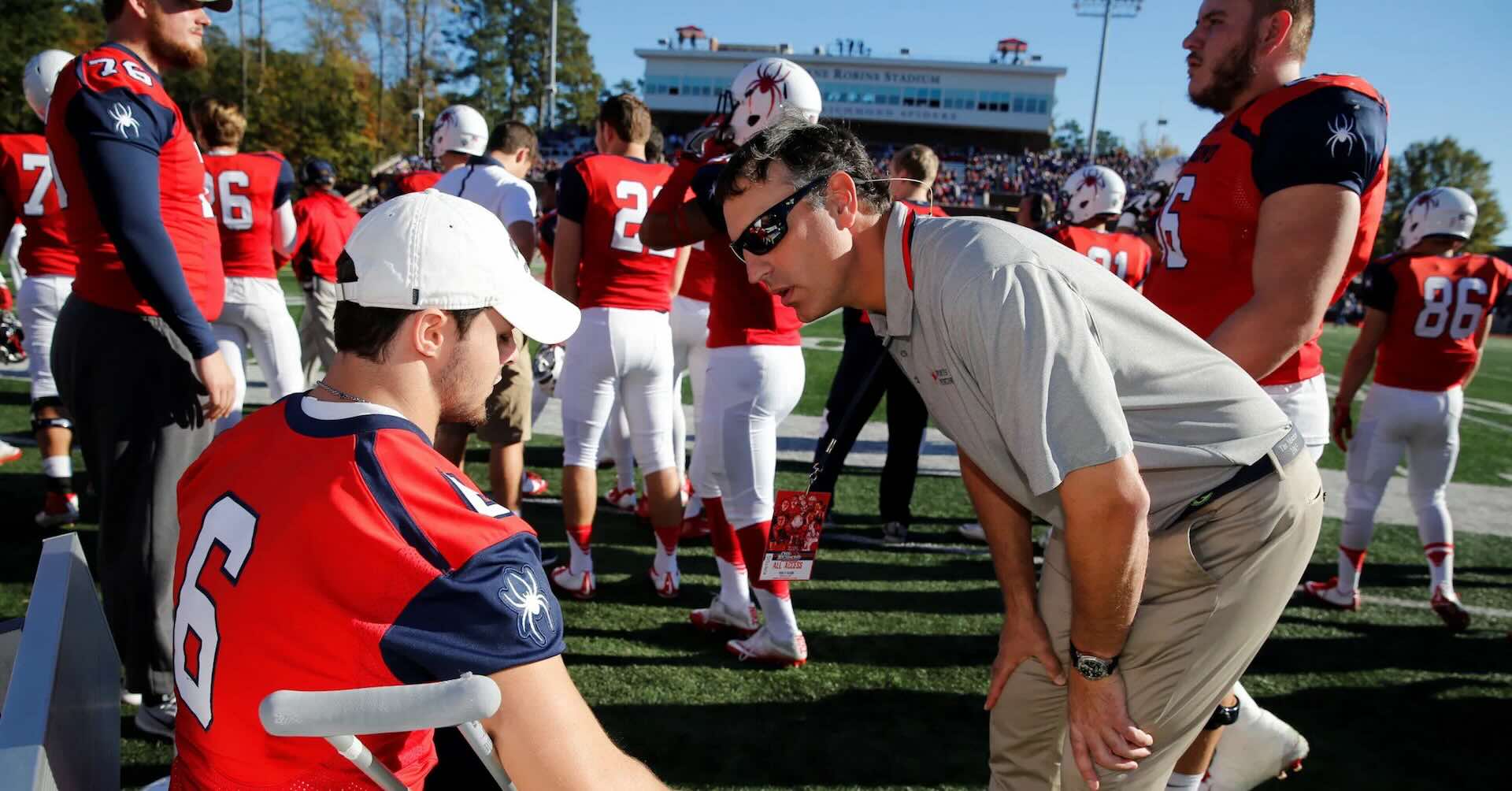
A Teacher of Arthroscopic Technique
Dr. Kiritsis performs rotator cuff repair arthroscopically and has lectured extensively, teaching the technique to orthopedic surgeons across the country. He reserves open repair for exceptional circumstances.
An Innovator in Shoulder Surgery
Dr. Kiritsis has designed multiple shoulder implants, holds several patents for implantable orthopedic devices, and pioneered the Precision Shoulder approach to shoulder replacement. ActiveCuff™ brings the same focus on precise technique and personalized recovery to rotator cuff repair.
Schedule an Appointment Today
Ready to find out whether ActiveCuff™ is right for your shoulder? Schedule an appointment with Dr. Kiritsis to review your imaging and talk through your options.