If you’ve torn your ACL, you might wonder whether you can return to sports. The answer is complex, but many athletes do return to sports with the right treatment and rehabilitation. This post explores what it takes to get back in the game, from understanding the injury to recovery options and timelines.
Key Takeaways
- ACL tears can impact an athlete’s stability and performance, and understanding the injury is beneficial for optimal recovery.
- Engaging in high-impact sports with a torn ACL is risky and should not be attempted without professional medical advice.
- A structured rehabilitation and recovery plan, whether through non-surgical or surgical treatment, is essential for athletes to safely return to their sport.
Understanding ACL Tears and Their Impact on Athletes
An ACL tear is a severe injury to the anterior cruciate ligament, which connects the thigh bone to
the shin bone. This ligament is essential for knee stability and mobility. The ACL prevents the knee from sliding and hyperextending during dynamic activities such as running and jumping. When this ligament is damaged, it significantly impacts an athlete’s ability to perform and maintain balance.
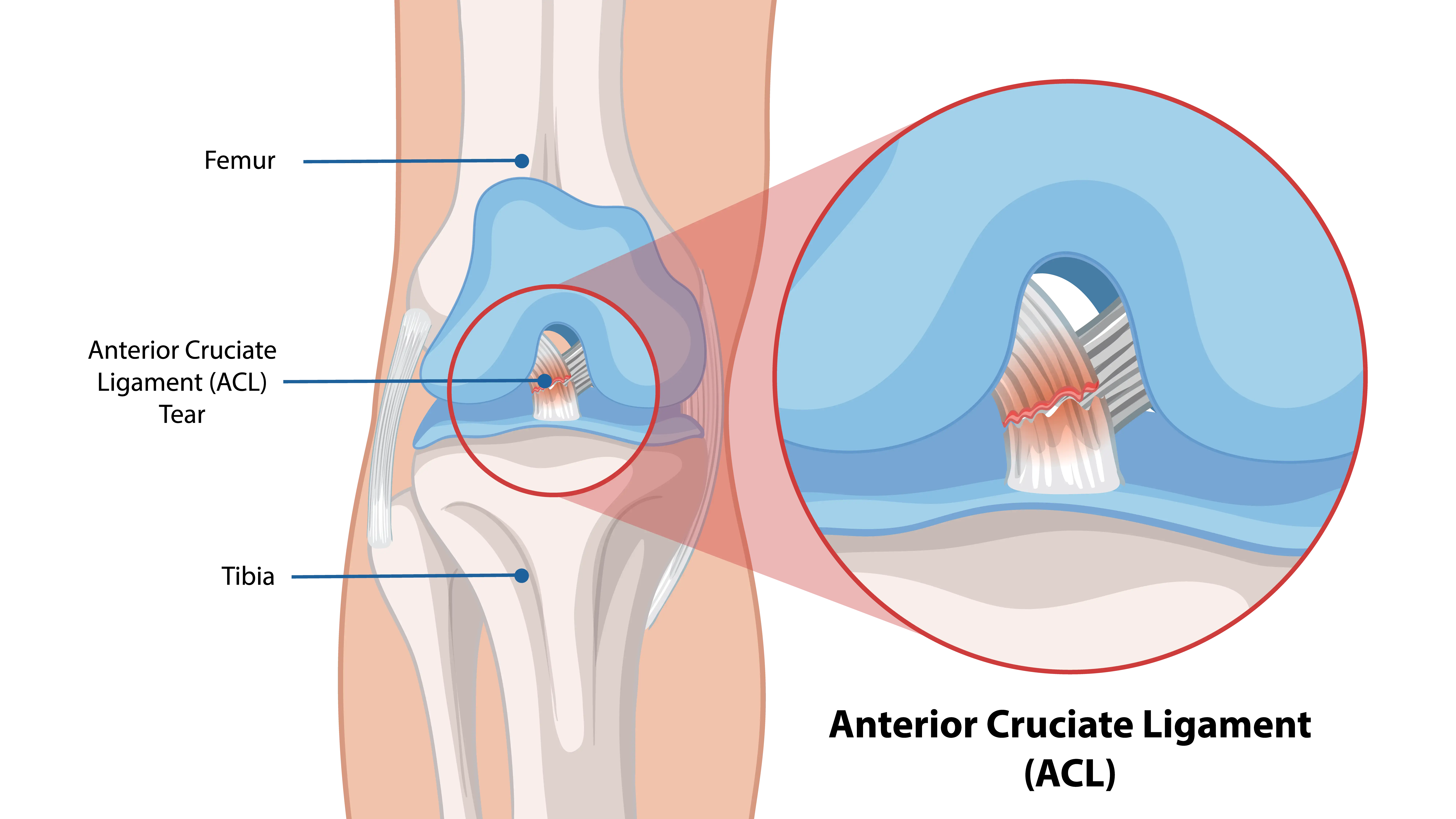
Between 100,000 and 200,000 ACL tears occur annually in the United States, making it the most commonly injured knee ligament.
These injuries frequently occur during high-impact sports like:
- Skiing
- Soccer
- Tennis
- Basketball
- Football
- Rugby
Sudden stops, rapid direction changes, and awkward landings are common scenarios where ACL injuries occur.
Young athletes, especially those in puberty, and women face a higher risk due to differences in muscle strength and physical structure.
Athletes are particularly vulnerable to ACL injuries because sports often involve rapid direction changes and high-impact movements. This susceptibility means that a torn ACL can be devastating for athletes, not just physically but also mentally and emotionally.
An ACL injury can disrupt an athlete’s ability to perform at their peak, underscoring the importance of understanding the symptoms, treatment options, and preventive measures.
Symptoms of a Torn ACL
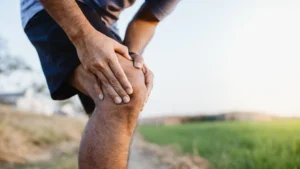
One of the most telling signs of an ACL tear is the popping sensation in the knee at the moment of injury. Many individuals report hearing or feeling a loud pop during the incident. This immediate indication is often followed by a cascade of symptoms that can severely affect the knee’s functionality.
Following an ACL tear, severe pain, swelling, and instability in the knee are common. The knee may become stiff, and patients sometimes find it hard to bear weight on the affected leg. These symptoms usually develop within the first few hours of the injury and can persist for weeks if not treated appropriately.
The feelings of instability and weakness in the knee are particularly concerning for athletes. They often describe a sensation of the knee ‘giving way,’ which can be both disconcerting and dangerous. Recognizing these symptoms early and seeking medical advice is important to prevent further damage and initiate the healing process.
Can You Play Sports With a Torn ACL?
Engaging in sports with a torn ACL is highly risky and not recommended without medical consultation. Participating in physical activities with a torn ACL significantly increases the risk of further injury and instability. While you might be able to perform basic activities like walking or light jogging, complex movements can lead to severe complications.
If you’re contemplating playing sports with a torn ACL, consult a sports medicine professional. The damaged ligament compromises knee stability, making it unsafe for high-impact or directional activities. Proper treatment, either non-surgical or surgical depending on the specific injury, is often recommended for those planning to return to sports.
Treatment Options for a Torn ACL
Treating ACL tears involves several approaches, from non-surgical methods to surgical interventions. The choice of treatment largely depends on the extent of the ACL damage and whether there are any other knee injuries.
In the following sections, we’ll discuss the main options available.
Non-Surgical Treatments
Non-surgical treatments can sometimes be effective for less severe ACL tears. Grade I and some grade II ACL tears may heal with physical therapy, bracing, and the use of crutches. Physical therapists play a key role in recovery, helping to restore strength and mobility.
The R.I.C.E. model (Rest, Ice, Compression, Elevation) is fundamental in the initial treatment phase. This approach helps reduce swelling and pain, providing a foundation for further recovery steps.
These non-surgical methods can manage symptoms and facilitate recovery, potentially allowing athletes to continue their activities. The effectiveness of these treatments can vary, often necessitating a tailored approach.
Surgical Treatments
For individuals with more severe tears and for athletes in high-impact sports, ACL reconstruction surgery is often recommended. This procedure involves replacing the torn ligament with a graft, sourced from the patient’s body (autograft) or a donor (allograft). The surgery aims to restore knee stability and function.
Post-surgery rehabilitation is essential for successful recovery. A strict physiotherapy program, often guided by a physical therapist, helps restore movement and strength in the knee. Recovery can be extensive, often taking over a year, but it is essential for long-term knee health.
Overall, surgical treatments are often necessary for those looking to return to competitive sports. Surgery combined with rigorous post-operative rehabilitation can help athletes return to their activities.
Recovery Timeline After ACL Surgery
Recovery after ACL reconstruction surgery is a long-term process. Physical therapy usually begins the day after surgery and is important for a successful outcome. Early intervention and a structured rehabilitation plan can significantly influence the recovery process.
Typical recovery spans approximately 9 to 12 months, depending on the individual and their activity level. Rehabilitation is divided into phases, each with specific goals aimed at restoring strength and mobility. Initial phases focus on basic movements, progressing to more complex, sport-specific activities.
Regular assessments every 6 to 12 weeks allow your medical team to monitor progress and readiness for intense training. Achieving full range of motion, no pain or swelling, and strength symmetry are criteria for returning to sports. This structured approach ensures that athletes are well-prepared to resume their activities safely.
Returning to Sports Post-ACL Injury
Returning to sports after an ACL injury requires careful planning and consultation with medical professionals. It’s important to keep the orthopedic team updated on your progress and address any new symptoms or discomfort. A longer recovery time can reduce the risk of re-injury, ensuring a safer return to activity.
By the second season post-surgery, most athletes feel they have fully returned to their previous level of play. This suggests a recovery timeline that spans nearly two years. Adhering to post-op instructions, maintaining a healthy lifestyle, and regularly attending appointments are crucial for full recovery.
Playing sports with a torn ACL increases the risk of meniscus damage and other complications, necessitating a structured rehabilitation plan. A gradual return to sports ensures that the knee is strong enough to handle the demands of athletic performance.
Preventing Future ACL Injuries
Preventing future ACL injuries is important for maintaining an active lifestyle. Effective prevention programs include strength training, balance training, and proper positioning instruction. Athletes should generally participate in these programs at least twice per week for a minimum of six weeks to lower the risk.
Proper landing techniques, like landing softly and avoiding straight-legged landings, can be helpful for reducing ACL injury risk. Deceleration training, including movements like cutting and pivoting, also plays a role in prevention. Your orthopedic surgeon can evaluate risk factors such as muscle weakness and poor conditioning to develop tailored training programs.
Regular participation in strength and balance training enhances knee joint stability and reduces the likelihood of ACL injuries. These measures are important for athletes aiming to prevent future injuries and maintain performance levels.
Summary
In summary, tearing your ACL doesn’t necessarily mean the end of your athletic career. Understanding the symptoms, exploring treatment options, and following a structured recovery plan are key to getting back to sports. Advances in treatment have made it possible for athletes to recover more effectively and prevent future injuries.
With the right approach and professional guidance, you can overcome an ACL injury and return to the activities you love.
Frequently Asked Questions
Can you play sports with a torn ACL?
It is not advisable to play sports with a torn ACL, as it can lead to additional injuries. Always consult a medical professional for treatment guidance.
What are the symptoms of a torn ACL?
A torn ACL typically presents with a popping sensation, severe pain, swelling, and instability in the knee. It’s important to seek medical attention if you experience these symptoms.
How long is the recovery time after ACL surgery?
Recovery time after ACL surgery typically spans about 9 to 12 months, depending on adherence to a structured rehabilitation plan.
Are non-surgical treatments effective for ACL tears?
Non-surgical treatments, such as physical therapy and bracing, can be effective for less severe ACL tears. However, the best approach depends on the severity of the injury and individual circumstances.
How can I prevent future ACL injuries?
To prevent future ACL injuries, engage in strength and balance training, focus on proper landing techniques, and incorporate deceleration training into your routine. These practices can significantly reduce your risk of injury.