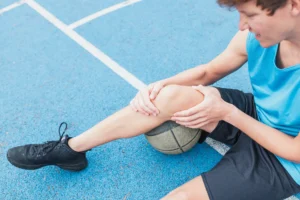
Knee injuries are a frequent issue in sports, affecting athletes of all levels. These injuries can result from high-impact activities, sudden movements, and overuse. In this post, we’ll break down some of the most common knee injuries in sports, their causes, and treatment options.
Key Takeaways
- Knee injuries in sports are prevalent and include common types such as ACL tears, PCL injuries, and meniscal tears, each requiring specific treatment and rehabilitation.
- Understanding knee anatomy and the role of ligaments and tendons is helpful for supporting recovery.
- Preventive measures, including dynamic warm-ups, strength training, and protective gear, can reduce the risk of knee injuries among athletes.
Understanding Knee Anatomy in Sports
The knee joint is a complex structure, primarily made up of:
- Bones: The femur (thigh bone) and tibia (shin bone) are the primary bones, with the patella (kneecap) serving as a protective shield in front.
- Meniscus: C-shaped pieces of cartilage that act as shock absorbers between the femur and tibia.
- Ligaments: Provide stability by connecting bones to bones. The four key ligaments are the anterior cruciate ligament (ACL), the posterior cruciate ligament (PCL), the medial collateral ligament (MCL), and the lateral collateral ligament (LCL).
- Tendons: Connect muscles to bones, providing increased stability.
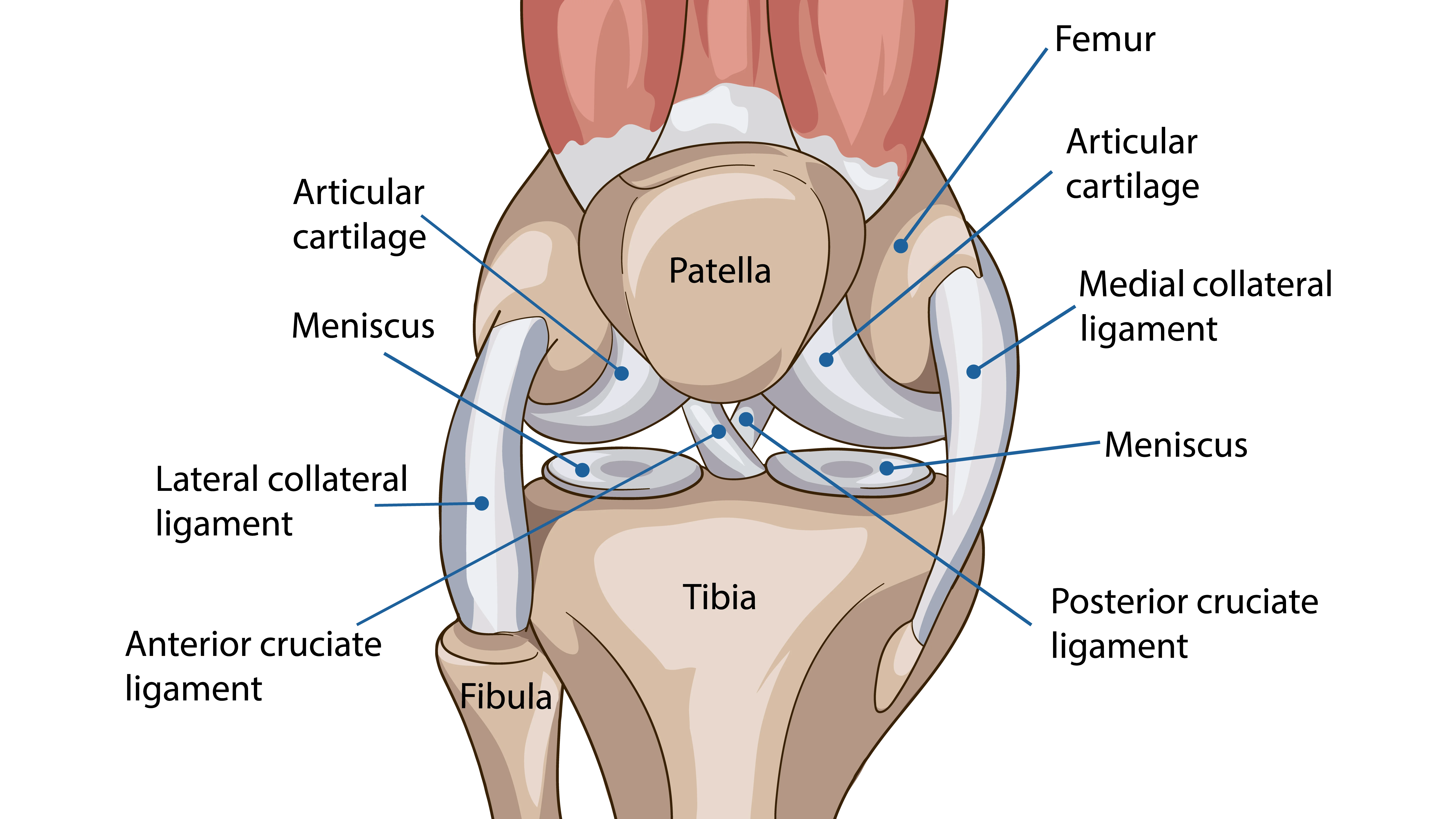
Each of these components contributes to the function of the knee joints, ensuring structural integrity and movement.
Additionally, bursae are fluid-filled sacs that reduce friction to allow smooth knee movement. The quadriceps and hamstring muscles support extension, flexion, and slight twisting motions. This complexity contributes to both the power and vulnerability of the knee in sports.
Anterior Cruciate Ligament (ACL) Tears
ACL tears are one of the most common and severe knee injuries in sports, especially in soccer, basketball, and football. They often occur during rapid direction changes, sudden stops, or awkward landings. Injury is frequently marked by a distinctive popping sound, often followed by severe pain, swelling, and knee instability.
ACL tears can be classified as partial or complete. In a partially torn ACL, some ligament fibers are torn, but others remain intact. In a complete ACL tear, all ligament fibers are torn or pulled away from the bone.
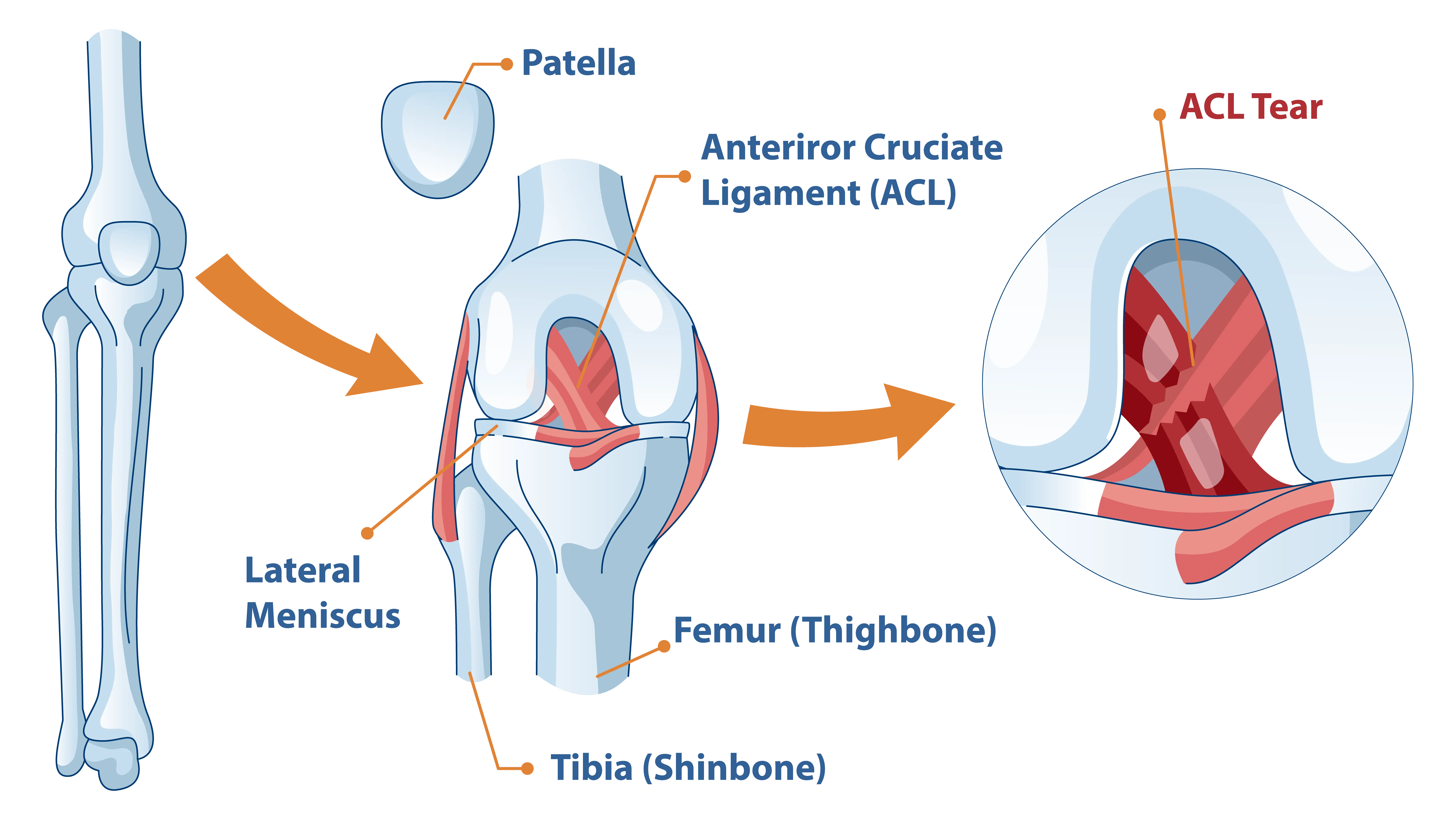
Initial care for an ACL tear includes the RICE method: Rest, Ice, Compression, and Elevation. Nonsurgical treatments include bracing, physical therapy, and pain management. Depending on the severity, surgical intervention may be indicated to repair the torn ligament.
Recovery from an ACL tear can take several months to a year and generally involves rehabilitation exercises aiming to reduce pain, restore motion, and strengthen the knee.
Posterior Cruciate Ligament (PCL) Injuries
Though less common than ACL tears, PCL injuries still significantly impact athletes. They often result from trauma, such as falling on a bent knee or experiencing a forceful impact. PCL tears can cause sharp or dull pain, swelling, instability, and stiffness.
Treatment for PCL injuries varies with severity. Mild injuries might require rest and physical therapy. More severe cases could indicate crutches, a knee brace, or surgery. Rehabilitation generally focuses on strengthening exercises for knee stability.
Recovery times vary, with mild injuries typically improving within a few weeks to months, while severe injuries may take up to a year.
Medial and Lateral Collateral Ligament Injuries
Medial collateral ligament (MCL) injuries are common, usually resulting from direct hits to the outside of the knee. In contrast, lateral collateral ligament (LCL) injuries can occur due to blows to the inside of the knee. Symptoms include pain, swelling, and instability.
Initial treatment for MCL and LCL injuries often involves bracing and physical therapy to help restore function and strengthen surrounding muscles. These measures support recovery and help minimize the risk of future injuries. Surgery is typically reserved for severe cases.
Meniscal Tears in Athletes
Meniscal tears often occur from sudden twisting movements or trauma. Symptoms may include joint stiffness, swelling, and a locking or catching sensation in the knee. Treatment options may include physical therapy, pain relief medications, and surgical repair, aiming to alleviate symptoms and restore knee function. Rehabilitation helps restore function and minimize the risk of long-term complications.
Patellar Tendonitis (Jumper’s Knee)
Patellar tendonitis, also known as jumper’s knee, is common among athletes involved in frequent jumping activities such as basketball and volleyball. This condition is characterized by pain located below the kneecap, which often worsens with physical activity.
Initial treatment for patellar tendonitis includes rest and avoiding activities that exacerbate the pain. Conservative management involves rest, ice application, anti-inflammatory medications, and physical therapy to strengthen the surrounding muscles. In rare cases, surgery may be considered.
Iliotibial Band Syndrome
Iliotibial Band Syndrome (ITBS) is a non-traumatic overuse injury commonly seen in runners and cyclists due to repetitive motion. Symptoms can include knee pain that worsens during exercise and tenderness.
Diagnosing ITBS typically involves a health history review, physical examination, knee motion assessment, and possibly imaging tests. Treatment options may include pain medications, ice, specific exercises, activity limitations, and physical therapy focused on stretching and strengthening surrounding muscles.
Runner’s Knee (Patellofemoral Pain Syndrome)
Runner’s knee, or patellofemoral pain syndrome, is another common overuse condition. It often results from kneecap misalignment or excessive stress on the knees. Symptoms include pain around the kneecap, especially when sitting with bent knees, squatting, jumping, or using stairs, as well as tenderness and swelling after exercise.
Treatment options for runner’s knee may include physical therapy, strengthening and stretching exercises, supportive shoes, and activity modification.
Knee Bursitis in Sports
Knee bursitis can occur when the bursae around the knee become inflamed, often caused by irritation, trauma, or repetitive motion. Symptoms may include knee pain, visible swelling, and restricted movement.
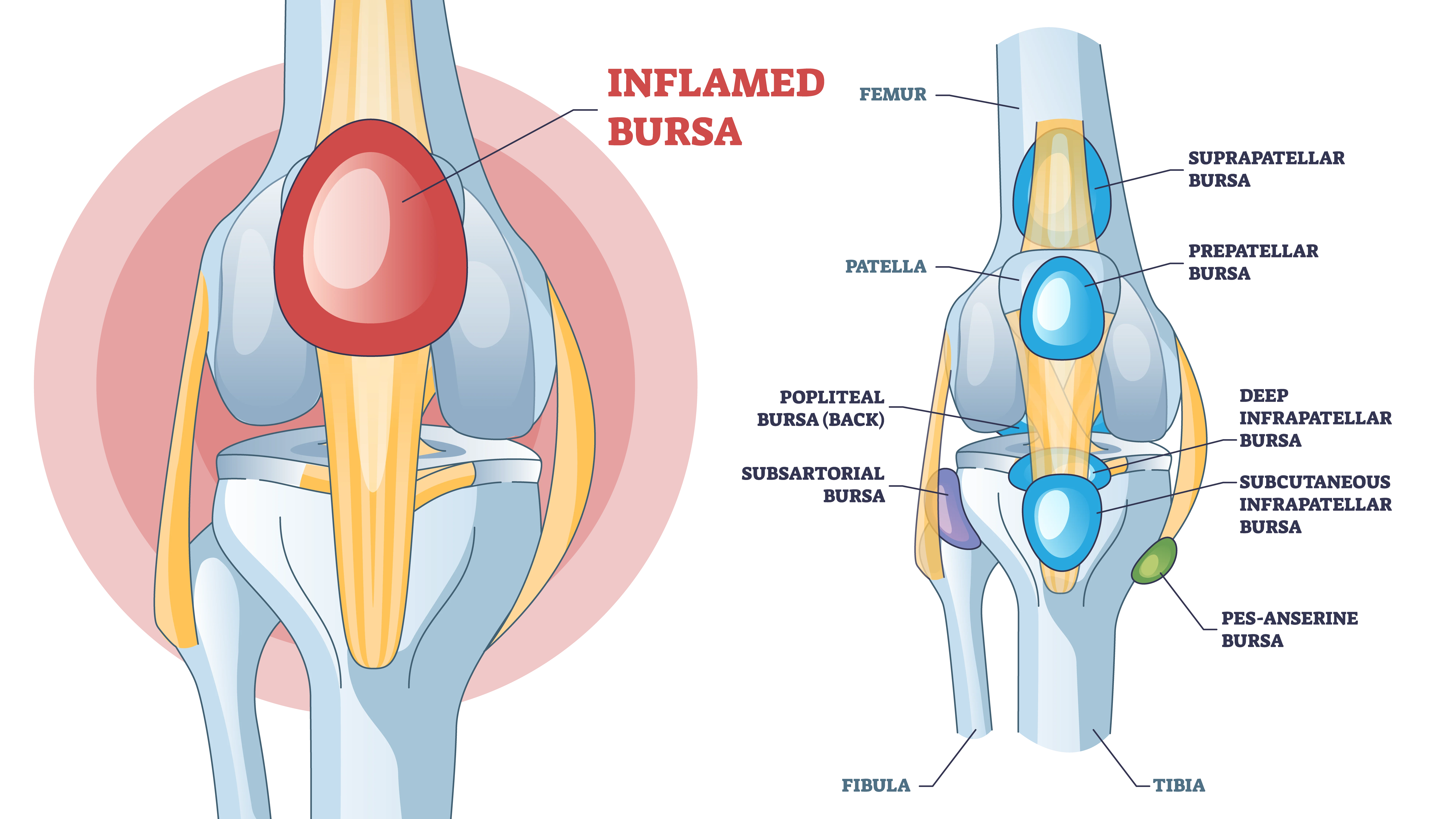
Treatments for knee bursitis include rest, ice application, and knee elevation. In severe cases, options may include anti-inflammatory medications, fluid aspiration, or surgical treatment. Preventive measures, such as using knee pads and avoiding prolonged kneeling, can reduce the risk of knee bursitis.
Knee Dislocations
Knee dislocations are injuries that may result from high-impact sports or sudden changes in direction. They can occur due to extreme twisting or significant force applied to the knee, causing the femur and tibia to become misaligned. Immediate treatment involves immobilizing the injured knee and seeking immediate medical attention to prevent complications. Urgent surgery and extended rehabilitation are important to improve long term outcomes and reduce the risk of reinjury.
Preventing Common Knee Injuries in Sports
Prevention focuses on strengthening, flexibility, and protective measures. Dynamic warm-ups and proper stretching of hamstrings, calf muscles, and quadriceps help reduce stress on the knees. Regular strength training can enhance support around the knee joint. However, it is important to avoid overtraining and ensure plenty of rest periods to prevent overuse.
Additionally, wearing gear such as knee pads and proper shoes can provide increased stability and alignment. Following these preventive strategies can help reduce the risk of sports-related knee injuries.
Summary
The knee is a complex joint that is prone to various injuries, especially in sports. From ACL and PCL tears to meniscal injuries and patellar tendonitis, understanding these injuries is key to proper treatment and prevention. By focusing on preventive measures, such as proper warm-ups, strength training, and the use of protective gear, athletes can help reduce their risk of knee injuries.
Frequently Asked Questions
What are the most common causes of ACL tears in sports?
ACL tears are most commonly caused by rapid direction changes, sudden stops, and improper landings, particularly in sports such as soccer, basketball, and football. Taking preventive measures during training can help reduce the risk of these injuries.
How can PCL injuries be treated?
PCL injuries may be treated with a combination of crutches, knee braces, physical therapy, pain relief medication, and, in more severe cases, surgical intervention. An experienced knee specialist can assess the injury and help guide the most appropriate treatment path.
What are the symptoms of a meniscal tear?
The symptoms of a meniscal tear may include joint stiffness, swelling, and a locking sensation in the knee. Medical evaluation is important for accurate diagnosis.
How can I prevent knee injuries in sports?
To help prevent knee injuries in sports, focus on dynamic warm-ups, proper stretching, and strength training, along with wearing appropriate shoes and protective gear. Avoid overtraining and maintain a healthy weight to further reduce the risk.
What is the initial treatment for patellar tendonitis?
The initial treatment for patellar tendonitis typically includes rest, applying ice, and avoiding aggravating activities, alongside the use of anti-inflammatory medications for relief. Prioritizing these steps may support recovery and reduce discomfort.