If you’ve been dealing with stubborn shoulder pain that just doesn’t seem to improve with rest, physical therapy, or anti-inflammatory medications, you may have heard your doctor mention platelet-rich plasma, or PRP. PRP therapy is a treatment that uses your own blood to help support the healing of damaged tissues in the shoulder.
Shoulder injuries and chronic shoulder conditions can be limiting. They may affect how you sleep, how you work, and how you move through your daily life. In this post, we’ll walk you through what a PRP injection shoulder procedure involves, which conditions it may help address, what to expect during and after the treatment, and how to determine whether you might be a good candidate.
Key Takeaways
- PRP therapy uses concentrated growth factors from your own blood to support the healing process in damaged shoulder tissues.
- It is most commonly considered for rotator cuff injuries, tendinopathy, and certain types of shoulder osteoarthritis.
- The procedure is minimally invasive and is typically completed during a single office visit.
- Results can vary from person to person, and more than one injection may sometimes be recommended.
What Is PRP, Exactly?
PRP stands for platelet-rich plasma. Your blood contains red blood cells, white blood cells, plasma, and platelets. Platelets are small cells that play a major role in healing. When tissue gets injured, platelets rush to the site and release proteins called growth factors, which signal the body to begin its repair process.
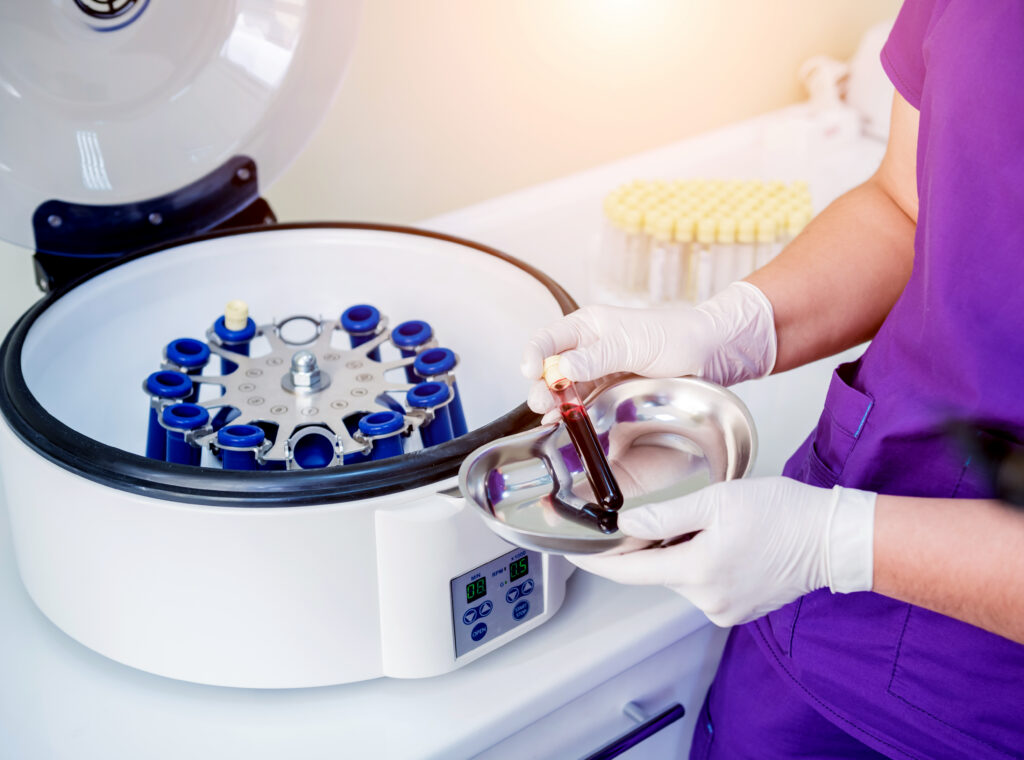
In PRP therapy, a small sample of your own blood is drawn. That blood is then placed into a centrifuge, a machine that spins at high speed to separate its components. The spinning process concentrates the platelets into the plasma, creating a solution with a significantly higher concentration of platelets than what typically circulates in your bloodstream. That concentrated solution, the platelet-rich plasma, is what gets injected into the injured area.
By delivering a high concentration of growth factors directly to the site of injury, the treatment aims to help stimulate and support the body’s natural healing response.
How Does PRP Work in the Shoulder?
The shoulder is a complex joint. It relies on a network of tendons, muscles, ligaments, and cartilage to function well. When any of these structures become injured or break down over time, the surrounding tissue can struggle to heal on its own. This is particularly true for tendons, which tend to have a limited blood supply compared to other structures in the body.
A PRP injection targets this challenge. By introducing a concentrated dose of growth factors directly into the affected tissue, the injection may help trigger the body’s repair mechanisms in an area that might otherwise have a limited capacity for healing. This could include reducing inflammation, encouraging new tissue formation, and improving the overall biological environment within the joint.
Shoulder Conditions That May Benefit from PRP
PRP therapy has been studied and used for a range of shoulder conditions. While it may not be appropriate for everyone, certain diagnoses are more commonly associated with PRP as a potential treatment option:
- Rotator cuff tendinopathy or partial tears: The rotator cuff is a group of four muscles and their tendons that stabilize the shoulder. Chronic overuse and partial tearing can lead to persistent pain and weakness. PRP may help support tendon healing in the right cases.
- Shoulder osteoarthritis: In patients with early to moderate arthritis, PRP injections may help reduce inflammation and provide some level of pain relief, though research in this area continues to develop.
- Biceps tendonitis: Inflammation of the biceps tendon at the shoulder can be slow to resolve on its own. PRP is sometimes considered when more conservative measures haven’t provided sufficient improvement.
- Labral irritation: In certain cases involving the labrum, the ring of cartilage that surrounds the shoulder socket, PRP may be incorporated into a broader, more comprehensive treatment plan.
- AC joint issues: The acromioclavicular joint, where the collarbone meets the shoulder blade, can develop arthritis or sustain injury. PRP may be explored as a conservative option in these situations.
PRP is not a one-size-fits-all therapy. Whether it makes sense for you depends heavily on the nature and severity of your injury, as well as your personal health history and treatment goals. A detailed conversation with an experienced PRP specialist is the only way to get a clear picture.
What Does the PRP Injection Shoulder Procedure Look Like?
One of the things that makes PRP appealing to many patients is that it’s relatively straightforward and minimally invasive. Here’s a general overview of what you can typically expect during a PRP injection shoulder visit.
The process begins with a blood draw from your arm, similar to any standard blood draw. Next, the blood sample goes into a centrifuge and spins for several minutes, separating and concentrating the platelets into the plasma. Once the PRP solution is prepared, your doctor will clean the injection site on your shoulder.
In some cases, ultrasound guidance may be used during the injection step to make sure the PRP is placed precisely in the right location. This level of precision can make a meaningful difference in outcomes. The injection itself may produce some pressure or mild discomfort, but the procedure is generally well tolerated by most patients.
From start to finish, a PRP injection visit typically takes around 45 minutes to an hour.
Recovery: What to Expect After a PRP Shoulder Injection
In the first 24 to 72 hours after the injection, it’s common to experience some soreness, mild swelling, or stiffness around the injection site. This is a normal part of the process; your body is reacting to the concentrated growth factors and ramping up its healing response. Ice and rest are typically recommended during this period. Most doctors also advise patients to avoid anti-inflammatory medications such as ibuprofen or naproxen for a period of time after the injection, since these medications work by suppressing inflammation and could potentially interfere with the healing process PRP is designed to support.
After the initial soreness subsides, usually within a few days, most patients can gradually ease back into light daily activities. More demanding tasks, such as heavy lifting or sustained overhead work, may need to be limited for a couple of weeks. Your doctor will give you specific guidance based on your diagnosis and how your shoulder is responding.
Physical therapy often plays a meaningful supporting role in recovery. Maintaining a structured rehab program after PRP can help optimize the potential benefits of the injection by keeping the joint mobile and steadily building the strength needed to support healing tissues. Movement and rehabilitation work together with the biological effects of PRP.
Some patients begin to notice improvement somewhere between four and eight weeks after their injection, though others take longer to respond. Full results may take three to six months to develop. In certain cases, a second or third injection may be recommended to achieve the best possible outcome. Patience is a core part of the process.
Summary
A PRP injection shoulder treatment represents an area of regenerative medicine that can offer certain patients a meaningful, non-surgical path toward pain relief and improved shoulder function. The therapy works by concentrating your body’s own healing agents and delivering them precisely where they’re needed most. While PRP isn’t the right answer for every shoulder condition, and results are never guaranteed, it may be well worth exploring for patients dealing with chronic tendon problems, partial tears, or early-stage arthritis when other conservative treatments haven’t done enough.
Frequently Asked Questions
How many PRP injections will I need for my shoulder?
The number of injections varies depending on your diagnosis and how your body responds to treatment. Some patients see meaningful improvement after a single injection, while others may benefit from a series of two or three injections spaced several weeks apart. Your doctor will help develop a plan based on your specific condition and your progress over time.
Does a PRP shoulder injection hurt?
Most patients tolerate the procedure quite well. You may feel some pressure during the injection itself, and it’s normal to experience soreness around the shoulder for a few days afterward as the healing response gets started.
How long does it take to see results from a PRP shoulder injection?
Results vary from patient to patient. Many people begin to notice improvement in pain and function somewhere between four and eight weeks after the injection, with full results potentially taking three to six months to develop. The benefits of PRP often build gradually rather than appearing all at once, so it’s important to give the process time.