A PRP (Platelet-Rich Plasma) injection is a medical treatment that uses a concentration of a patient’s own platelets to support healing. By drawing and processing your own blood, the procedure leverages your body’s natural healing mechanisms to treat injuries and conditions. In this post, we’ll take a closer look at PRP injections and how they may benefit patients.
Key Takeaways
- PRP injections utilize a patient’s own platelets with the goal of enhancing natural healing and tissue repair.
- The PRP preparation process involves drawing blood, centrifuging it to concentrate platelets, and administering the concentrated solution to target injuries.
- PRP therapy has been used to treat conditions such as tendon injuries and arthritis, with many patients experiencing reduced pain and improved recovery.
Understanding Platelet-Rich Plasma (PRP)
Platelet-rich plasma (PRP) is a treatment that leverages the body’s own healing abilities. By extracting and concentrating platelets from a patient’s blood, PRP can help stimulate tissue repair and regeneration.
Blood is composed of several key components: plasma, red blood cells, white blood cells, and platelets. Platelets play an important role in healing. They enable blood clotting, release growth factors that promote tissue repair, and help regulate inflammation.
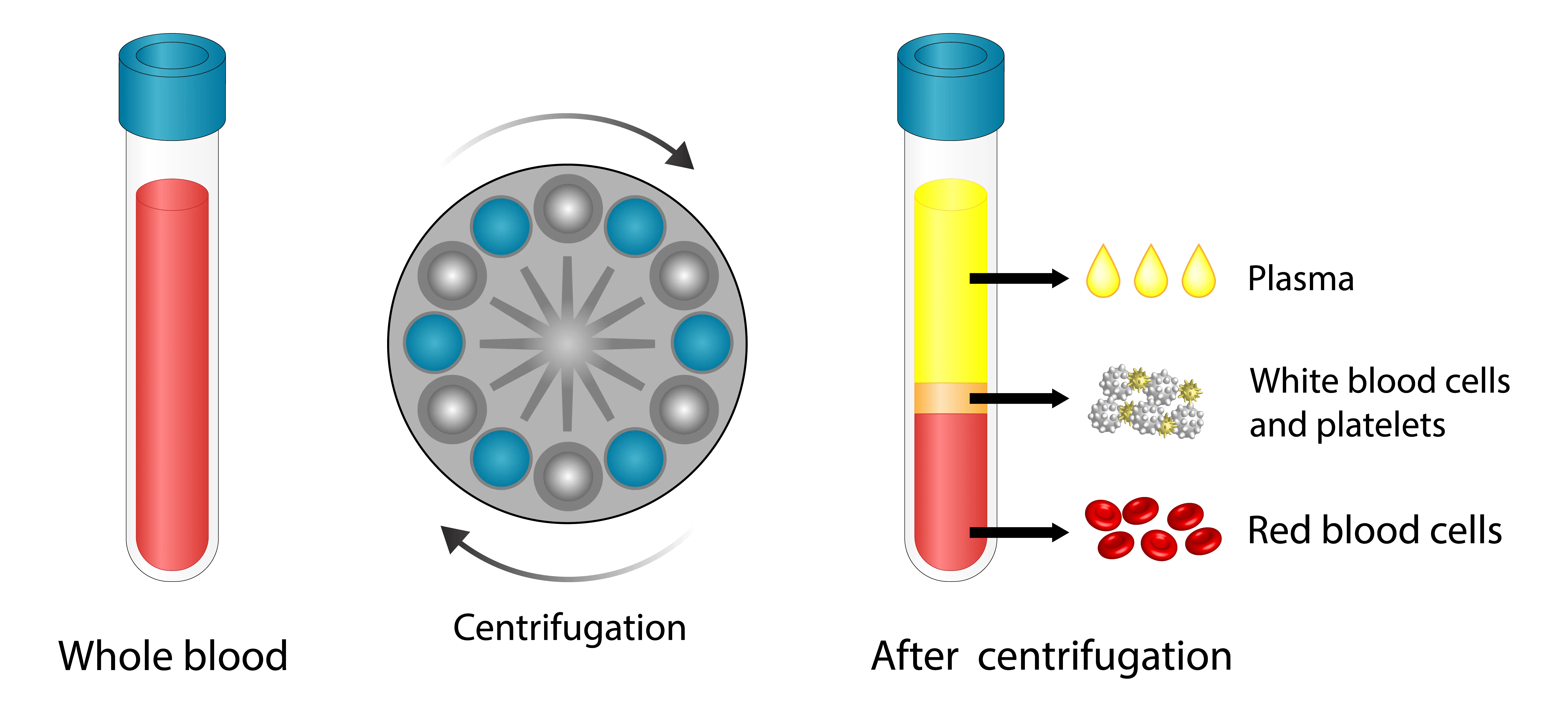
The preparation of PRP typically involves the following steps:
- Drawing blood from the patient
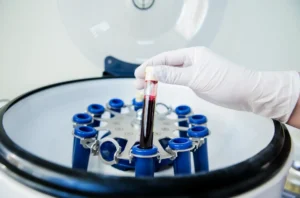
- Spinning the blood in a centrifuge to separate its components
- Isolating the concentrated platelets
- Injecting the platelet-rich solution into the targeted area
This process harnesses the patient’s own biology with the goal of supporting tissue healing.
Conditions Treated with PRP Injections
PRP injections have shown promise in treating a variety of orthopedic conditions. The versatility of PRP therapy makes it a valuable option for patients seeking relief from persistent pain and injuries.
Injections have been used to help address chronic ligament injuries, tendon injuries, joint pain from osteoarthritis, and some cases of neck and back pain. Specific injuries that may benefit from PRP therapy include rotator cuff injuries, frozen shoulder, and tendon injuries.
One of the most compelling aspects of PRP therapy is its potential to enhance the body’s natural healing process. Releasing growth factors that stimulate the production of reparative cells, PRP injections may help accelerate recovery times and improve overall healing outcomes. Many patients report quicker recovery and a reduction in pain and discomfort following PRP.
The PRP Injection Procedure
Your doctor will provide specific instructions ahead of the procedure, but preparing for a PRP injection typically involves the following steps:
- Eating a healthy breakfast on the day of the procedure.
- Staying hydrated.
- Avoiding NSAIDs, which may interfere with platelet activity.
The PRP injection process typically takes less than an hour. It involves drawing blood, processing it through centrifugation to prepare the PRP, and then injecting the concentrated platelets into the injury site. In some cases, ultrasound guidance may be used to ensure precise delivery of the PRP to the targeted area.
After the injection, a follow-up visit may be scheduled to monitor progress and adjust the treatment plan as needed. The recovery process following PRP injections can vary depending on the treated area and the condition being addressed. Mild swelling or soreness for a few days is often common and reflects the body’s healing response.
In some cases, multiple PRP sessions may be required to achieve optimal results. Patients should work closely with their doctor to decide on the best treatment plan.
PRP in Sports Medicine
PRP therapy has become especially well-known in the world of sports medicine. Many athletes and active individuals have turned to PRP injections as a way to recover from injuries and return to activity more quickly.
Common sports-related injuries where PRP has been used include:
- Tendon injuries such as jumper’s knee
- Muscle strains in areas like the hamstrings or quadriceps
- Ligament injuries like ACL, MCL, and LCL tears
- Joint pain from overuse or osteoarthritis
One of the key advantages of PRP in sports medicine is its potential to shorten recovery times. PRP may help accelerate the body’s natural healing response, allowing for a safer and sometimes quicker return to activity.
It’s not only elite athletes who can benefit. Weekend runners, recreational cyclists, and everyday active individuals may also find PRP helpful when dealing with injuries that limit performance. By supporting tissue healing, PRP can help patients of all activity levels get back to doing what they enjoy.
Benefits of PRP Therapy
PRP therapy stands out as a form of regenerative medicine that leverages the body’s own growth factors to facilitate tissue healing. One of the primary benefits of PRP treatment is its potential to reduce pain, offering relief to patients suffering from various conditions.
Beyond pain reduction, PRP therapy may enhance healing, with effects that can last six months to a year or even longer. The treatment may also minimize the need for anti-inflammatory medications, as patients often experience a reduction in inflammation and discomfort.
Summary
In conclusion, PRP therapy represents a promising and innovative treatment option for a variety of conditions. By harnessing the body’s natural healing abilities, PRP injections have been shown to reduce pain, enhance healing, and improve overall function for many patients. If you are considering PRP therapy, it may be time to consult with a PRP specialist to determine if it is an appropriate option for you.
Frequently Asked Questions
What is PRP therapy?
PRP therapy is a regenerative treatment that utilizes a patient’s own platelets to encourage tissue repair. This approach harnesses the body’s natural healing capabilities.
What conditions can PRP injections treat?
PRP injections may be effective for treating chronic ligament injuries, neck and back pain, joint osteoarthritis, jumper’s knee, and rotator cuff injuries. These conditions often respond well to the healing properties of platelet-rich plasma therapy.
How are PRP injections prepared?
PRP injections are prepared by taking a blood sample, which is then processed using centrifugation to isolate and concentrate the platelets before being injected into the targeted treatment area. This method ensures a high concentration of platelets for optimal outcomes.
What should I expect during the PRP injection procedure?
During the PRP injection procedure, you can expect a blood draw followed by centrifugation to prepare the platelets and an injection. The process itself usually lasts under an hour. Afterward, mild swelling and pain at the injection site are common.
What are the benefits of PRP therapy?
PRP therapy may help reduce pain, enhance healing, and speed recovery. It may also support long-term joint health by stimulating natural repair processes in the body.