
Wondering if you have a rotator cuff tear? Recognizing the early signs and seeking treatment can make a difference in preventing further damage. In this post, we’ll review what a rotator cuff tear is, the two main warning signs, and treatment options.
Key Takeaways
- Rotator cuff tears are common, particularly in individuals over 40, often resulting from age-related degeneration, repetitive overhead activities, or sudden trauma.
- Key warning signs of a rotator cuff tear include persistent shoulder pain and weakness, as well as a limited range of motion.
- Initial treatment typically involves rest, medications, and physical therapy, with surgery considered if the tear is significant or if symptoms persist.
Understanding Rotator Cuff Tears
The rotator cuff is a key player in shoulder movement and stability. Made up of four muscles and their associated tendons, the rotator cuff allows for the lifting and rotating of the arm while keeping the shoulder joint properly aligned. These muscles and tendons work together to maintain the arm’s position in the shoulder socket and enable a wide range of motion and strength.
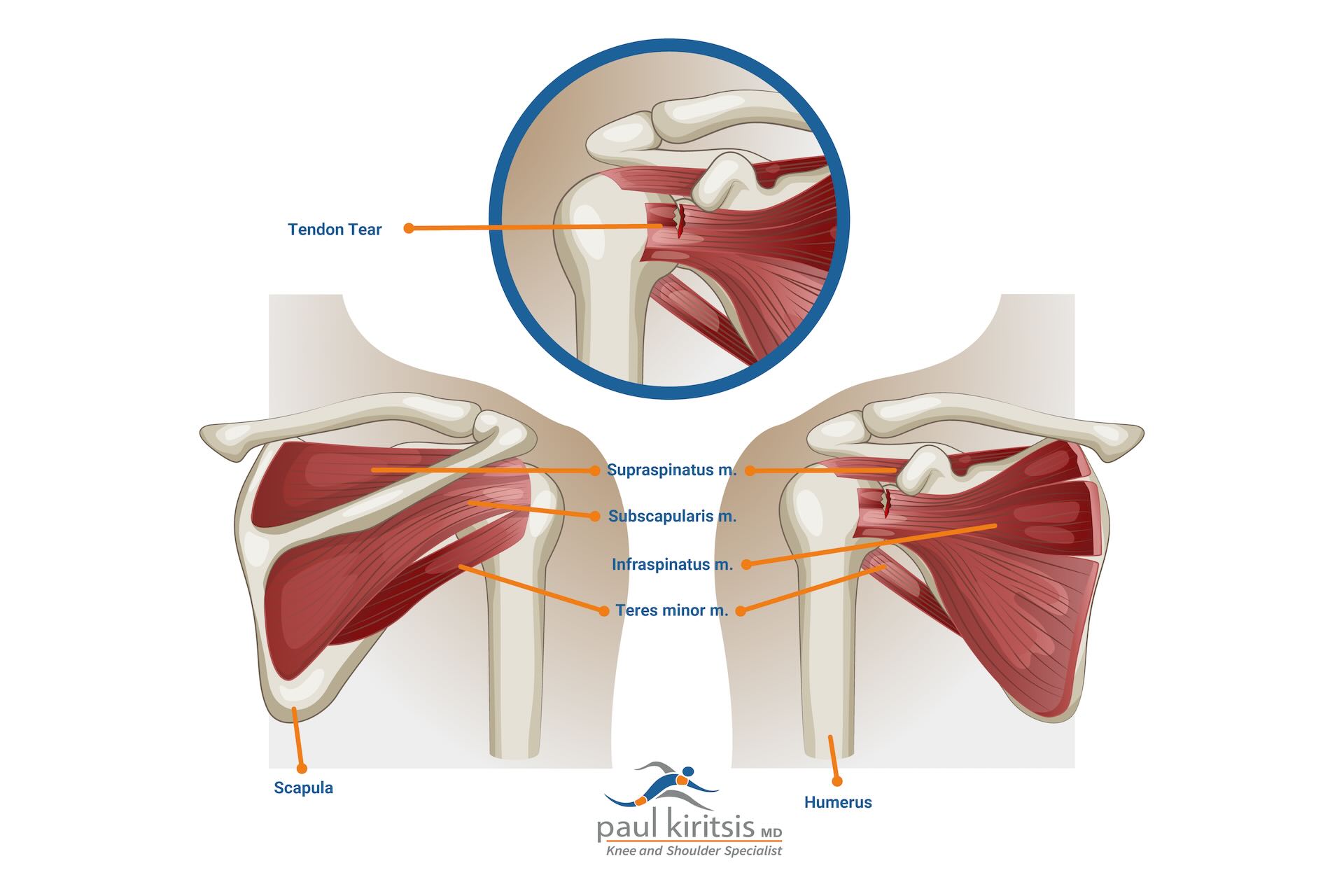
Rotator cuff tears are a prevalent cause of shoulder pain and disability, particularly among older adults. As we age, the tendons can wear down, increasing the risk of degenerative tears.
When a rotator cuff tear occurs, it can lead to significant shoulder pain and weakness, making daily activities like lifting objects or even combing hair painful and difficult. Gaining a clear understanding of how the rotator cuff functions and what happens when it’s injured is the first step toward effective treatment and recovery.
Main Causes of Rotator Cuff Tears
The primary causes of rotator cuff tears are age-related degeneration, repetitive overhead movements, heavy lifting, and sudden trauma.
Certain sports and occupations increase the risk of rotator cuff injuries. Athletes in sports like baseball, tennis, and weightlifting frequently use repetitive arm movements that can strain and eventually damage the rotator cuff. Similarly, jobs that require constant overhead activity or heavy lifting can also contribute to the wear and tear of these critical tendons.
Sudden traumatic injuries, such as falling onto an outstretched arm or lifting something heavy with a jerking motion, can also cause rotator cuff injuries. In the next section, we’ll cover the primary symptoms of a rotator cuff tear, whether caused by age-related degeneration, repetitive movements, or trauma.
Top Two Warning Signs of a Rotator Cuff Tear
Recognizing the warning signs of a rotator cuff tear is essential for seeking timely treatment and preventing further damage. The most critical indicators are pain and weakness in the shoulder, along with a limited range of motion.
Pain and Weakness in the Shoulder
Persistent shoulder pain that does not improve with rest is a hallmark symptom of rotator cuff tears. This rotator cuff pain can worsen over time, especially during movements like lifting or reaching overhead. For many, the pain becomes more intense at night, disrupting sleep and adding to the discomfort.
In addition to pain, weakness in the shoulder is a common warning sign. People with a torn rotator cuff often find it challenging to lift even light objects, impacting their ability to perform daily tasks. This weakness is a direct result of the damaged tendons, which can no longer support the shoulder muscles effectively.
Pain can range from a deep dull ache to sharp or intense discomfort. This variation can depend on the severity and type of tear, but in all cases, it signals a problem. Addressing these symptoms early can help alleviate pain and prevent further injury.
Limited Range of Motion
A torn rotator cuff can severely limit the active range of motion in the shoulder, leading to difficulty in performing everyday movements. This limitation can make it challenging to lift objects, reach behind the back, or perform overhead tasks.
Early intervention and proper treatment can help restore movement and prevent chronic shoulder issues.
Diagnosing a Rotator Cuff Tear
Diagnosing a rotator cuff tear involves a thorough medical history review, a physical examination, and imaging tests like X-rays and MRI scans. These steps are important in determining the extent of the injury and planning the appropriate treatment.
During the medical evaluation, the patient’s medical history, symptoms, and range of motion will be assessed. Imaging tests such as X-rays help exclude other conditions like bone spurs, while magnetic resonance imaging (MRI) reveals the extent of soft tissue damage. Ultrasound can also provide real-time visualization of shoulder tendons and muscles during movement, sometimes aiding in diagnosis.
Rotator cuff tears are categorized as either a partial tear, where the tendon remains attached, or a complete tear, where it detaches completely. Understanding the specifics of the injury is important in planning the treatment and optimizing for the best possible outcome.
Initial Treatment Options for Rotator Cuff Tears
Initial management of a rotator cuff tear generally centers on reducing pain and inflammation while restoring shoulder function. This typically begins with rest and activity modification to minimize stress on the injured tendons.
Nonsteroidal anti-inflammatory drugs (NSAIDs) may be recommended to control inflammation and provide pain relief. In some cases, corticosteroid or PRP injections may be considered for short-term relief.
Alongside rest and medication, physical therapy often plays an important role in the recovery process. A guided rehabilitation program focuses on improving shoulder mobility, strengthening the surrounding muscles, and gradually restoring function.
Together, these conservative treatments aim to manage symptoms and support the healing process.
When to Consider Surgery
Surgery may be considered if symptoms persist despite nonsurgical treatment or if the rotator cuff tear is significant. For highly active individuals who regularly engage in overhead activities, surgery may be recommended more strongly.
Arthroscopic repair is a common method for treating rotator cuff tears. This is a minimally invasive option that allows for smaller incisions. In some cases, open surgery may be necessary. An experienced shoulder specialist can work with you to determine the best treatment path for your specific injury.
Recovery and Rehabilitation
The first phase of recovery post-surgery focuses on healing, minimizing inflammation, and protecting the surgical repair. Patients may be instructed to wear a sling for around six weeks after surgery.
Post-operative stiffness is a common complication, making it essential to follow a structured physical therapy program. Physical therapy plays a key role in enhancing strength and flexibility during recovery.
The rehabilitation process typically progresses from passive to active-assisted and eventually to active exercises. Gradual loading of the repaired rotator cuff is important to prevent re-tearing and ensure proper healing. Full recovery after rotator cuff surgery generally takes around six months.
Preventing Rotator Cuff Tears
Some strategies can help prevent rotator cuff tears, including strength exercises and proper form.
Strengthening shoulder muscles through certain exercises can reduce the risk of tears. Specific exercises like the doorway stretch and side-lying external rotation support the rotator cuff muscles. Engaging in exercises like these and stretches can enhance shoulder flexibility and support injury prevention.
Other strategies include maintaining proper form during physical activities and avoiding repetitive overhead movements. By taking these preventive measures, you can keep your shoulders strong and reduce your risk of injury.
Summary
Recognizing the warning signs of a rotator cuff tear, understanding its causes, and exploring various treatment options are key steps in managing this injury. From initial treatments like rest and medication to potential surgical interventions, there are multiple paths to recovery.
Taking preventive measures, such as regular exercise and proper form during activities, can safeguard your shoulder health. By staying informed and proactive, you can increase your chances of a comfortable, active lifestyle.
Frequently Asked Questions
What is the main function of the rotator cuff?
The main function of the rotator cuff is to enable a wide range of arm movements while keeping the humerus stabilized in the shoulder socket. The rotator cuff is essential for maintaining shoulder mobility and strength.
Why are rotator cuff tears common in late middle age?
Rotator cuff tears are prevalent in late middle age primarily because of natural age-related degeneration and insufficient blood supply to the tendons. This combination increases the risk of tears as individuals get older.
What activities can accelerate rotator cuff degeneration?
Repetitive overhead shoulder motions, such as those performed by some athletes or during routine tasks like window cleaning, can accelerate rotator cuff degeneration. It’s important to vary your activities to mitigate this risk.
How is a rotator cuff tear diagnosed?
A rotator cuff tear is diagnosed by evaluating your medical history and conducting a physical examination, followed by imaging tests like X-rays and MRIs to confirm the injury. Medical consultation is essential for an accurate diagnosis.
What is the initial treatment for a rotator cuff tear?
The initial treatment for a rotator cuff tear generally includes rest, medications, and physical therapy to reduce pain and inflammation. These measures can help promote healing and restore function. Some tears may require surgery.