

For many, chronic shoulder pain turns simple tasks like reaching for a jar on a high shelf, combing your hair, or enjoying a round of golf into painful ordeals. When non-surgical treatments no longer provide relief, shoulder replacement may be the recommended solution. However, it is a major decision, and one of the most common and important questions patients ask is, “How long does a shoulder replacement last?” While there is no single definitive answer, research and clinical experience can provide an indication of what you can expect. In this post, we’ll explore the longevity of shoulder replacements, the factors that influence their lifespan, and how modern advancements like Precision Shoulder Replacement™ are changing the game.
Key Takeaways
- Modern shoulder replacements have a high success rate, with studies showing that approximately 90% last for at least 10 years.
- Your age, activity level, and overall health play a role in how long your shoulder replacement will last.
- Following your surgeon’s instructions for rehabilitation can help support a successful recovery and a long-lasting implant.
- Innovations in implant design, surgical planning software, and pain management may lead to better results and potentially longer-lasting shoulder replacements.
Understanding Shoulder Replacement: More Than Just a New Joint
The shoulder is a complex ball-and-socket joint that allows for a remarkable range of motion. The “ball” is the top of your upper arm bone (humerus), and the “socket” is a shallow depression in your shoulder blade (scapula). A smooth, slippery tissue called cartilage covers the surfaces of the ball and socket, allowing them to glide effortlessly against each other. The rotator cuff, a group of muscles and tendons, surrounds the joint, providing stability and enabling you to lift and rotate your arm.
Unfortunately, this intricate joint is susceptible to a variety of conditions that can cause the cartilage to wear away, leading to bone-on-bone friction, pain, and stiffness. These conditions include osteoarthritis, rheumatoid arthritis, post-traumatic arthritis, and rotator cuff tear arthropathy. When these conditions become severe and non-surgical treatments like medication, physical therapy, and injections are no longer effective, shoulder replacement surgery may be recommended. The goal of the surgery is to replace the damaged joint surfaces with artificial components, or a prosthesis, to relieve pain and restore function.
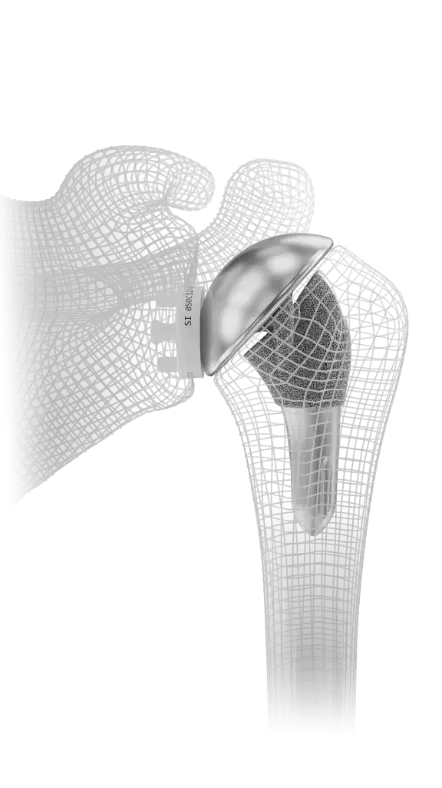
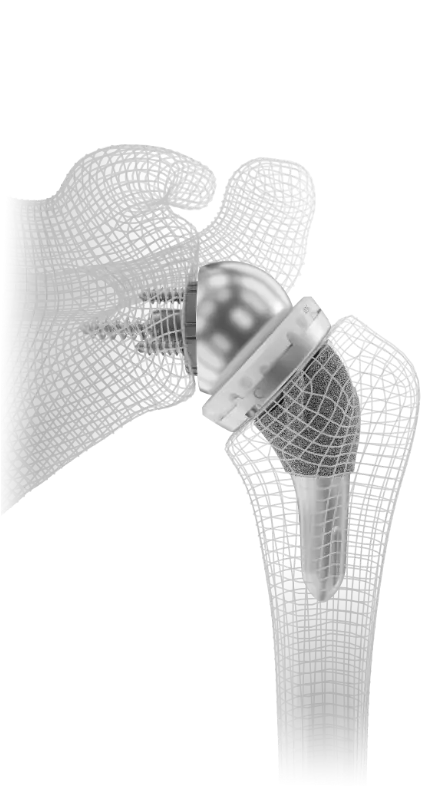
There are two primary types of shoulder replacement surgery: anatomic total shoulder replacement and reverse total shoulder replacement. Anatomic replacement is designed to replicate the natural anatomy of the shoulder and is typically recommended for patients with a healthy, intact rotator cuff. Reverse total shoulder replacement is often recommended for patients with significant rotator cuff damage. As the name suggests, the anatomy is “reversed.” A metal ball is attached to the scapula, and a plastic socket is placed on top of the humerus. This design allows the powerful deltoid muscle, rather than the damaged rotator cuff, to power the arm’s movement.
How Long Does a Shoulder Replacement Last?
Now, let’s return to the central question: how long does a shoulder replacement last? Thanks to advancements in implant materials, surgical techniques, and our understanding of shoulder biomechanics, modern shoulder replacements are proving to be remarkably durable. Research shows that approximately 90% of shoulder replacements last for more than 10 years.
But the good news doesn’t stop there. Many other studies have reported similar or even better results, with many shoulder replacements lasting 15 to 20 years, and some even longer. It is important to understand that these figures represent the concept of “implant survival,” which means the original implant is still in place, functional, and has not required a revision surgery.
Factors Influencing the Lifespan of a Shoulder Replacement
While the statistics are impressive, it’s important to recognize that the longevity of a shoulder replacement is not solely determined by the implant itself. A number of factors, both related to the patient and the surgery, can influence how long your new shoulder will last.
Patient-Related Factors
- Age: Some studies have shown that older patients may have a lower risk of revision surgery. This is likely because they tend to have lower activity levels, which places less stress on the implant. For younger patients, the decision to undergo a shoulder replacement requires careful consideration. Their higher activity levels and longer lifespan may increase the likelihood of needing a revision surgery at some point in the future.
- Activity Level: Patients who engage in high-impact activities or heavy lifting place greater stress on their shoulder replacement, which can accelerate wear and tear on the components. It’s important to have a discussion with your surgeon about your activity goals. While you will likely be encouraged to remain active, you may need to modify your activities to protect your new shoulder.
- Overall Health: Your general health can have an impact on the success of your shoulder replacement. For example, conditions like osteoporosis, which weakens the bones, can make it more difficult for the implant to remain securely fixed.
Surgery-Related Factors
- Surgical Technique and Surgeon Experience: Shoulder replacement is a technically demanding procedure, and the precise placement of the implant is important for its long-term success. Surgeons who perform a high volume of shoulder replacements may have better outcomes and lower complication rates. They may be more adept at handling the nuances of each patient’s anatomy.
- Implant Design and Materials: The implants used in modern shoulder replacement are continuing to improve. They are usually now made from materials that are designed to withstand the rigors of daily use and to minimize wear and tear over time. Furthermore, implant designs are constantly evolving to better replicate the natural biomechanics of the shoulder.
- Type of Replacement: The choice between an anatomic and a reverse total shoulder replacement is one that is typically based on the condition of your rotator cuff. An experienced shoulder surgeon will carefully evaluate your shoulder to determine which type of implant is best suited for your specific needs.
The Role of Modern Technology: Precision Shoulder Replacement™
The field of shoulder surgery has embraced technology in a way that is transforming patient outcomes. This is where the concept of Precision Shoulder Replacement™ comes into play. It’s a comprehensive philosophy of care that leverages cutting-edge technology to create a truly personalized surgical experience.
Precision Shoulder Replacement™ is built on the understanding that every shoulder is unique. Your anatomy, your pattern of arthritis, and your functional goals are all different from anyone else’s. Precision Shoulder Replacement™ aims to tailor every aspect of the procedure to your individual needs, with the goal of optimizing the outcome and maximizing the longevity of your new shoulder.
How Precision Shoulder Replacement™ Aims for Better Longevity
This innovative approach incorporates several key elements:
- Advanced 3D Surgical Planning: With Precision Shoulder Replacement™, a preoperative CT scan is used to create a detailed 3D model of your shoulder. This virtual model allows your surgeon to perform the surgery on a computer before ever making an incision. They can precisely determine the optimal size, position, and orientation of the implant to match your anatomy.
- Innovative Surgical Techniques: This approach includes constant refinement of techniques to be less invasive, more accurate, and more protective of the surrounding soft tissues. For example, I currently have a patent-pending technique for repairing the subscapularis tendon, a component of the rotator cuff. A stronger, more reliable repair of this tendon may lead to a more stable shoulder, a smoother recovery, and a more durable replacement.
- Enhanced Pain Management: When patients are in less pain, they are better able to participate in the all-important physical therapy that is necessary to regain strength and function. Precision Shoulder Replacement™ may incorporate a multimodal approach to pain management, in many cases including the use of advanced, non-opioid anesthesia (EXPAREL). This medication can provide prolonged pain relief for up to 72 hours after surgery, reducing the need for opioid pain medications and facilitating a more comfortable and active recovery.
By integrating these advanced technologies and techniques, Precision Shoulder Replacement™ is not just about relieving pain in the short term. It’s about investing in your future, with the goal of providing a shoulder that will serve you well for many years to come.
Maximizing the Lifespan of Your Shoulder Replacement
While your surgeon and the advanced technology they use play a role in the success of your shoulder replacement, you are also a key player on the team. There are several things you can do to help maximize the lifespan of your new shoulder:
- Closely Follow Protocols: Your surgeon and their team will provide you with a wealth of information about your recovery, including activity restrictions, physical therapy protocols, and follow-up schedules.
- Embrace a Healthy Lifestyle: A balanced diet and regular, low-impact exercise can help support your new joint.
- Choose Your Activities Wisely: While you will be encouraged to remain active, it’s important to be smart about your choices. High-impact activities that involve jarring or collisions, as well as heavy, repetitive lifting, may put your implant at risk. Follow your surgeon’s advice.
- Don’t Ignore Pain: Your new shoulder should be comfortable. If you experience new or worsening pain, swelling, or instability, contact your surgeon’s office to have it evaluated.
Summary
So, how long does a shoulder replacement last? With modern implants and surgical techniques, most patients can expect their replacement to last at least 10 years. By choosing an experienced surgeon who embraces advanced technologies like Precision Shoulder Replacement™, and by committing yourself to a diligent rehabilitation program and a healthy lifestyle, you are taking steps to support your shoulder health.
Frequently Asked Questions
What are the risks of shoulder replacement surgery?
As with any major surgery, there are potential risks, including infection, blood clots, implant loosening, and nerve damage. However, the overall complication rate for shoulder replacement is low. Your surgeon will discuss all the potential risks and benefits with you in detail before you make a decision.
How long is the recovery after shoulder replacement surgery?
Full recovery is a process that unfolds over several months. You will likely be able to resume some light daily activities within a few weeks. However, it can take six months to a year or longer to regain maximum strength and range of motion. The key is to be patient and to follow your physical therapy program diligently.
Will I be able to play sports after shoulder replacement surgery?
This is a common question, and the answer depends on the sport. Many patients are able to return to low-impact activities like swimming, cycling, golf, and doubles tennis. However, high-impact or contact sports, such as heavy lifting or football, are generally not recommended as they can put your implant at risk. It’s essential to have a detailed discussion with your surgeon about your specific athletic goals.