

A broken shoulder, medically termed a shoulder fracture, is an injury that typically demands prompt and accurate medical attention. Understanding the signs of a broken shoulder is the first step toward effective diagnosis and a successful recovery. In this post, we’ll take a closer look at the common types of fractures, symptoms, and the treatment pathways available.
Key Takeaways
- The most frequent and immediate indicator of a fracture is severe, sharp pain at the injury site, often accompanied by rapid swelling and bruising.
- Visible changes to the shoulder’s appearance, such as a bump, a sag, or an unnatural angle, may be physical signs of a broken shoulder.
- Shoulder fractures are categorized by the bone affected: the clavicle (collarbone), the scapula (shoulder blade), and the proximal humerus (the top of the upper arm bone).
- While many stable fractures can heal with non-surgical management like a sling and physical therapy, displaced or complex fractures may necessitate surgical intervention to restore alignment and function.
The Anatomy of a Shoulder Fracture
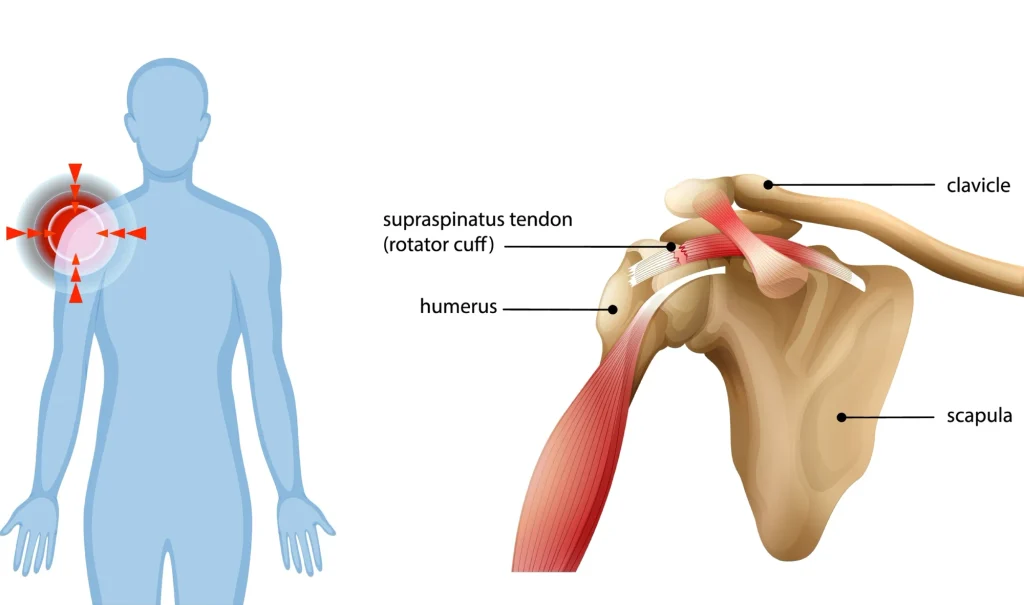
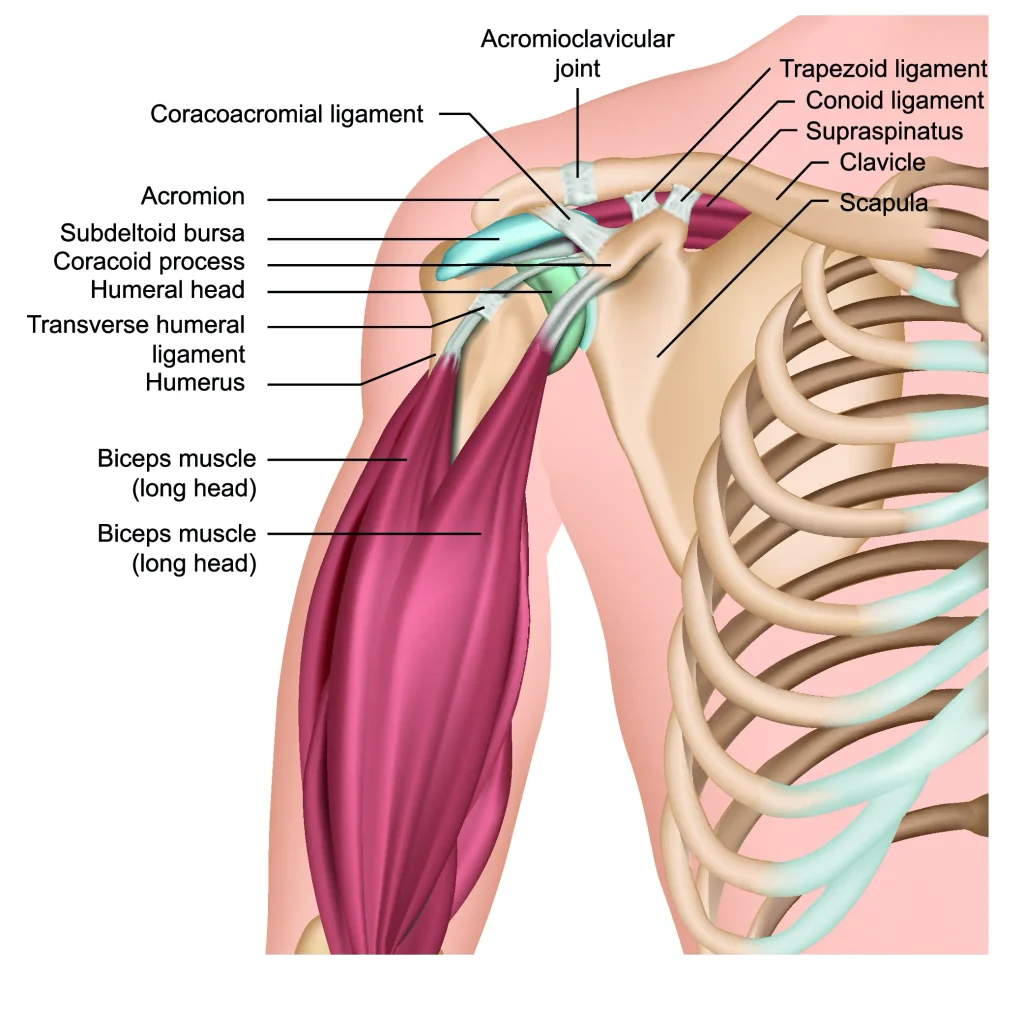
The shoulder is not a single bone but a complex of three bones that articulate to allow movement. A fracture can occur in any of these three components, and the specific location may dictate the symptoms and the treatment approach.
- The Clavicle (Collarbone): This long, slender bone connects the arm to the trunk of the body. Clavicle fractures often result from a fall directly onto the shoulder or an outstretched arm.
- The Proximal Humerus (Upper Arm Bone): This is the top part of the humerus, the long bone of the upper arm, which forms the ball of the ball-and-socket joint. Fractures in the proximal humerus are particularly common in older adults, frequently due to osteoporosis and a fall from a standing height.
- The Scapula (Shoulder Blade): The scapula is a large, flat, triangular bone that sits on the back of the rib cage. Scapular fractures are relatively rare and typically result from high-energy trauma, such as a motor vehicle accident or a significant fall.
Classifying the Break
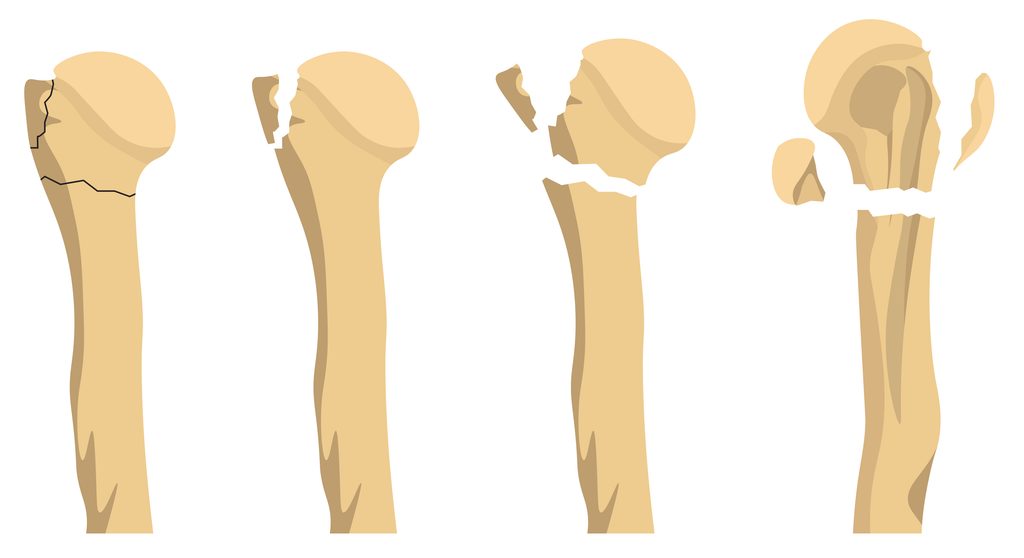
Orthopedic specialists classify fractures based on several factors that help guide treatment, with one of the most important distinctions being whether a fracture is non-displaced or displaced.
A non-displaced, or stable, fracture means the bone is cracked or broken but the pieces remain in their normal anatomical position. These injuries are generally more stable and may be managed without surgery. A displaced, or unstable, fracture occurs when the bone fragments shift out of alignment, often requiring surgical intervention to realign and secure the pieces with hardware.
Recognizing the Signs of a Broken Shoulder
While the specific presentation of a shoulder fracture can vary depending on the bone involved, symptoms may include:
- Severe and Immediate Pain: The onset of pain is typically sudden and intense, occurring at the moment of impact. The pain often intensifies with the slightest attempt to move the limb.
- Swelling and Bruising: Swelling may develop around the fracture site. This is a natural response as blood and fluid rush to the injured area. Extensive bruising may also appear.
- Inability to Move: An individual with a broken shoulder will likely experience a functional loss of the arm. They may be unable to lift the arm, even slightly, or use it for simple tasks.
- Deformity or Abnormal Contour: This might manifest as a noticeable bump or prominence where the bone has tented the skin, a sagging or drooping of the shoulder, particularly with a clavicle fracture, or the arm appearing shorter or rotated at an unnatural angle.
- Grinding Sensation (Crepitus): If the bone fragments are unstable and rub against each other, the patient may feel or hear a grating or crunching sensation, known as crepitus.
Causes and Risk Factors for a Broken Shoulder
Understanding how shoulder fractures occur can help with both prevention and diagnosis. These injuries can happen when a force applied to the bone exceeds what it can withstand.
Common Mechanisms of Injury
Falls are the most frequent cause of shoulder fractures. In older adults, a simple fall from standing, often onto an outstretched hand or directly onto the shoulder, can lead to a proximal humerus fracture. Younger individuals tend to fracture the clavicle through higher-impact falls, such as falling from a bike or ladder.
High-energy trauma is another major cause. Motor vehicle accidents can create enough force to break the humerus or scapula, especially if the shoulder hits the dashboard or door. Contact sports like football, hockey, or rugby may also lead to shoulder fractures through tackles and collisions.
Predisposing Risk Factors
Certain factors can increase an individual’s susceptibility to a broken shoulder:
- Osteoporosis: This condition, characterized by low bone density, can make bones brittle. It increases the risk of proximal humerus fractures from low-energy falls.
- Age: Individuals over the age of 65 are at a higher risk for shoulder fractures, primarily due to the increased prevalence of osteoporosis and decreased balance.
- Participation in High-Risk Activities: Athletes involved in contact sports or activities with a high risk of falling (e.g., skiing, cycling) face a greater likelihood of clavicle fractures.
- Poor Nutrition and Smoking: Lifestyle factors that negatively impact bone health, such as inadequate nutrition or smoking, may weaken the skeletal structure over time.
Diagnosis: Confirming the Signs of a Broken Shoulder
When a patient presents with the classic signs of a broken shoulder, a thorough diagnostic process is initiated to confirm the fracture, determine its location and pattern, and assess for any associated injuries.
Your doctor may begin with a detailed history of the injury, asking about the mechanism of the trauma and the immediate symptoms. They may visually inspect the area, gently check for tenderness, and assess sensation in the hand and fingers.
Imaging is often essential for definitive diagnosis and treatment planning. Standard X-rays are generally the primary tool for diagnosing a broken shoulder. Multiple views may be taken to visualize the fracture from different angles. These images may confirm the presence of a fracture, identify the bone involved, and show whether the fracture is displaced or non-displaced. A CT scan may be used to provide detailed views of the bone structure, or an MRI may be ordered if the doctor suspects soft tissue damage.
Treatment Pathways for a Broken Shoulder
The treatment for a broken shoulder is highly individualized and depends primarily on the type of fracture, the degree of displacement, the patient’s age, and their overall health and activity level.
Non-Surgical Management
Many shoulder fractures can be successfully treated without surgery.
1. Immobilization: The arm is placed in a sling or a specialized shoulder immobilizer. This keeps the bone fragments still, allowing the body’s natural healing processes to bridge the gap. The duration of immobilization depends on the fracture type and the patient’s healing rate.
2. Pain Management: Pain control is a priority. This usually involves a combination of non-steroidal anti-inflammatory drugs (NSAIDs) and, in some cases, short-term use of stronger pain medication. Ice application to the injury site may also help reduce swelling and pain, especially in the first few days.
3. Physical Therapy (Early Motion): While the bone needs rest, the shoulder joint itself benefits from early, gentle motion to prevent debilitating stiffness, a common complication of shoulder immobilization.
Surgical Intervention
Surgery is generally reserved for fractures that are displaced, unstable, or involve the joint surface, as these conditions are unlikely to heal correctly or provide good long-term function without intervention.
1. Open Reduction and Internal Fixation (ORIF) is a common procedure for displaced clavicle and proximal humerus fractures.
- Open Reduction: The surgeon makes an incision to access the fracture site and manually realigns the bone fragments (the “reduction”).
- Internal Fixation: The fragments are then held securely in place using orthopedic hardware, such as metal plates and screws, which act as an internal splint while the bone heals.
2. Intramedullary Nailing: For certain types of proximal humerus fractures, a long metal rod (nail) may be inserted down the center of the humerus bone. This provides strong internal support and may be used to stabilize fractures that extend down the shaft of the bone.
3. Arthroplasty (Shoulder Replacement): In cases of severe, complex proximal humerus fractures, especially those where the blood supply to the ball of the joint (the humeral head) is compromised or the bone is beyond repair, a shoulder replacement may be a recommended option. A reverse shoulder replacement is often used for complex fractures in older patients with poor bone quality or pre-existing rotator cuff damage.
The Road to Recovery: Rehabilitation and Long-Term Outlook
Recovery from a broken shoulder is a commitment that requires patience, diligence, and close collaboration with the orthopedic team. The timeline for recovery is highly variable, depending on the fracture type, the treatment method, and the patient’s overall health.
Phase 1: Immobilization and Passive Motion: The focus here is on protecting the healing bone. The patient performs only gentle, passive range-of-motion exercises, such as pendulum swings, to prevent joint stiffness. The patient should avoid lifting, pushing, or pulling anything with the injured arm.
Phase 2: Active Range of Motion: Once the surgeon confirms early bone healing, the patient progresses to active range-of-motion exercises. The goal is to regain the ability to move the arm independently, without the help of the other arm.
Phase 3: Strengthening: The final phase focuses on rebuilding the strength of the rotator cuff and deltoid muscles, which have been weakened by the injury and immobilization. This involves resistance exercises using bands, light weights, and eventually, more challenging functional movements. While pain may subside within a few months, regaining full strength and endurance can take six months to a year, or even longer for more severe or complex injuries.
Summary
A broken shoulder is an orthopedic injury that generally requires a professional, structured approach to care. The recognition of the signs of a broken shoulder, severe pain, swelling, inability to move, and potential deformity is the first step. Whether the injury involves the clavicle, the humerus, or the scapula, modern orthopedic medicine offers a range of treatments, from simple immobilization to complex reconstructive surgery.
The journey through diagnosis, treatment, and rehabilitation is a partnership between the patient and the orthopedic team. By understanding the nature of the injury and committing to the prescribed treatment plan, patients can support a successful recovery.
Frequently Asked Questions
How can I tell the difference between a broken shoulder and a severe sprain?
A severe sprain involves damage to the ligaments and soft tissues, while a broken shoulder involves a fracture of the bone. While both can cause significant pain and swelling, a fracture is typically associated with more severe, sharp pain, a visible deformity, and an inability to move the arm. Any suspected broken shoulder should be evaluated to definitively rule out a fracture.
Do all broken shoulders require surgery?
No, not all broken shoulders require surgery. Many fractures, particularly non-displaced or minimally displaced fractures of the clavicle and proximal humerus, can heal successfully with non-surgical treatment. This typically involves immobilization in a sling, pain management, and a structured physical therapy program.
Can I drive with a broken shoulder?
Most specialists advise against driving with a broken shoulder, especially while the arm is immobilized in a sling. The injury itself can limit your ability to safely control the steering wheel, shift gears, or react quickly in an emergency. Most orthopedic specialists advise against driving until the sling is removed and you have regained sufficient strength and range of motion to safely operate a vehicle.
What should I do immediately after I suspect a broken shoulder?
If you suspect a broken shoulder, you may immediately immobilize the arm as best as possible. Consider applying ice to the area for 15-20 minutes at a time to help control swelling and pain. Seek immediate medical attention at an emergency room or an urgent care facility that has X-ray capabilities.